Mountaineering
Kanchanjunga Expedition
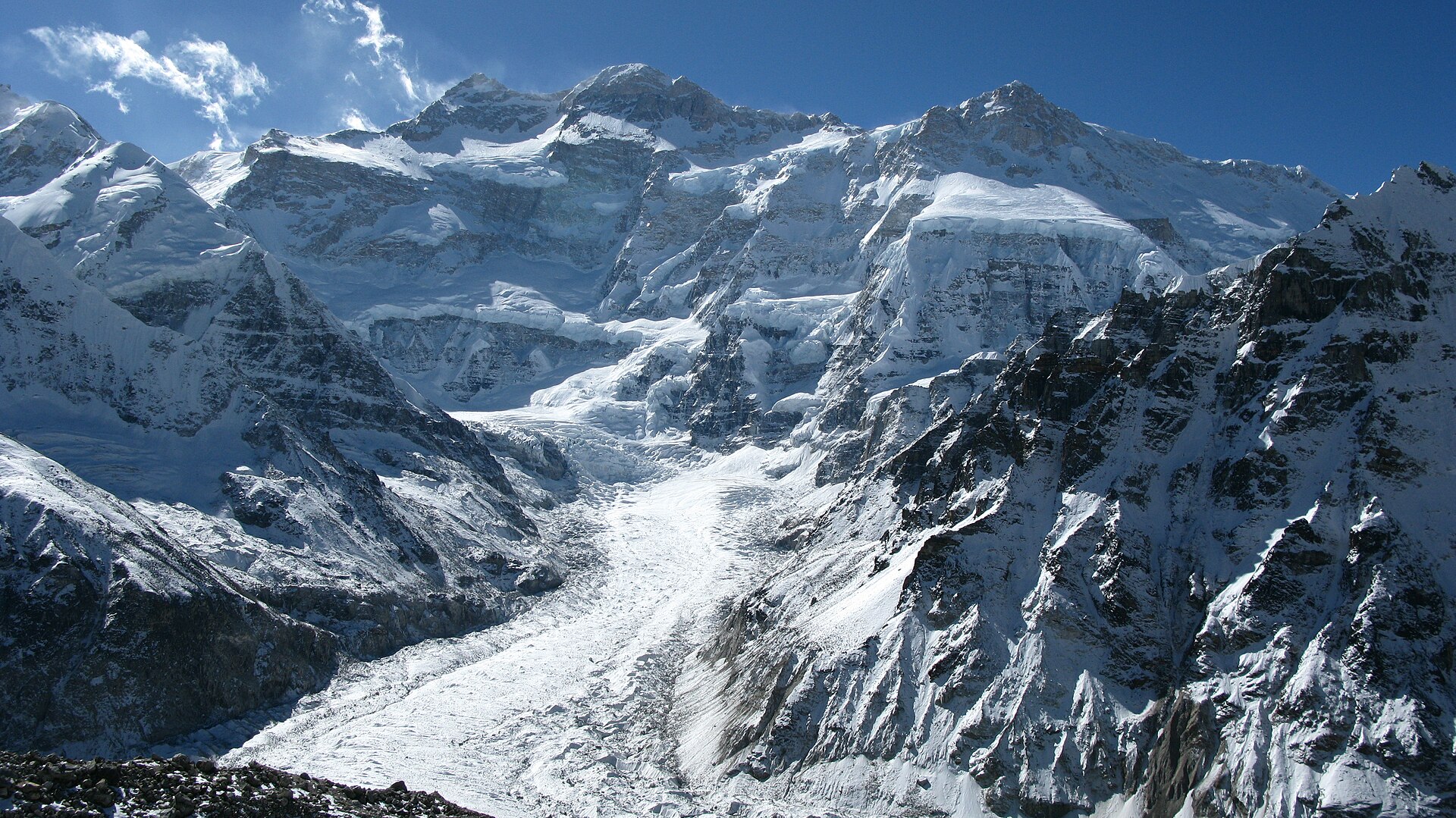
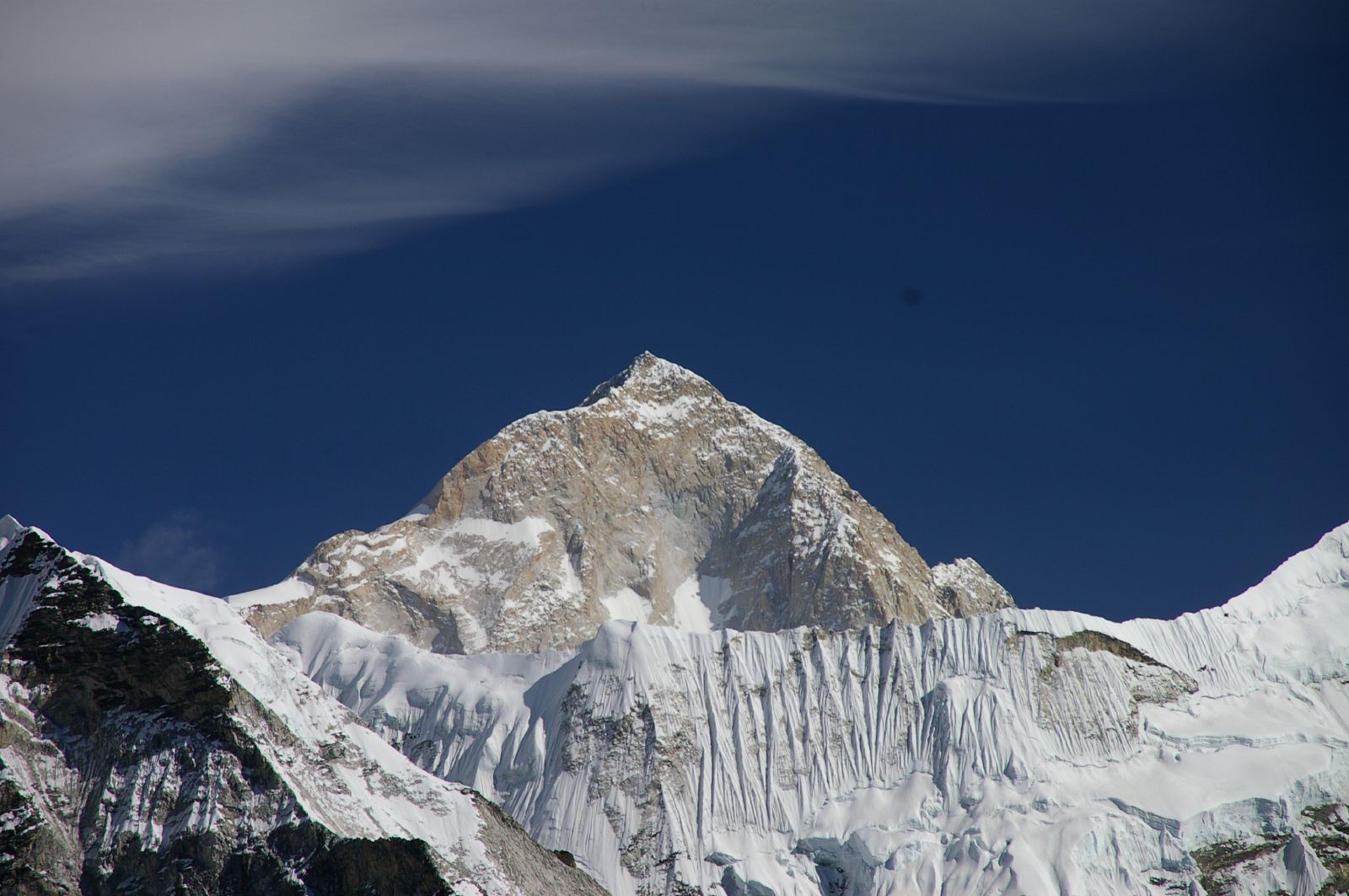
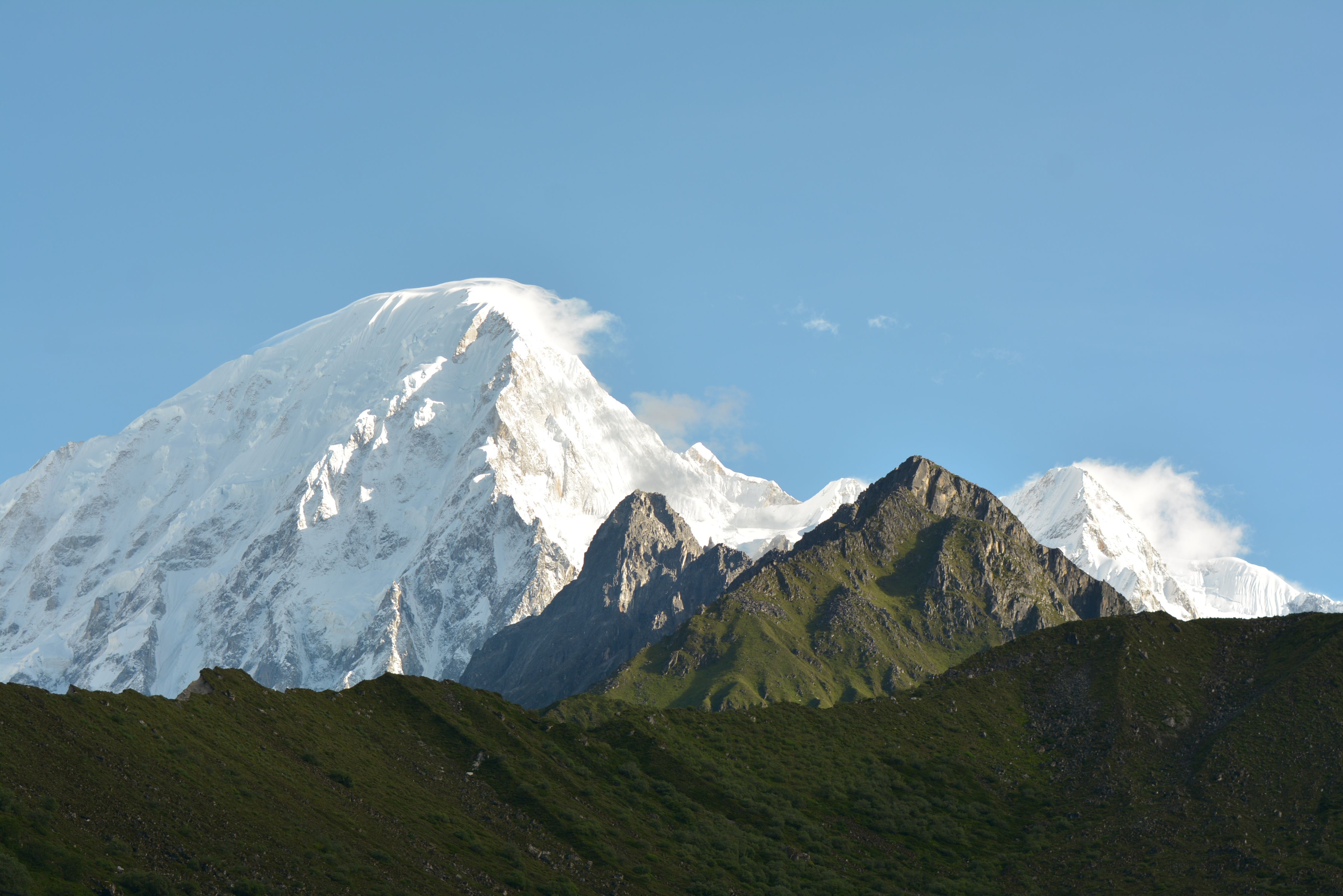
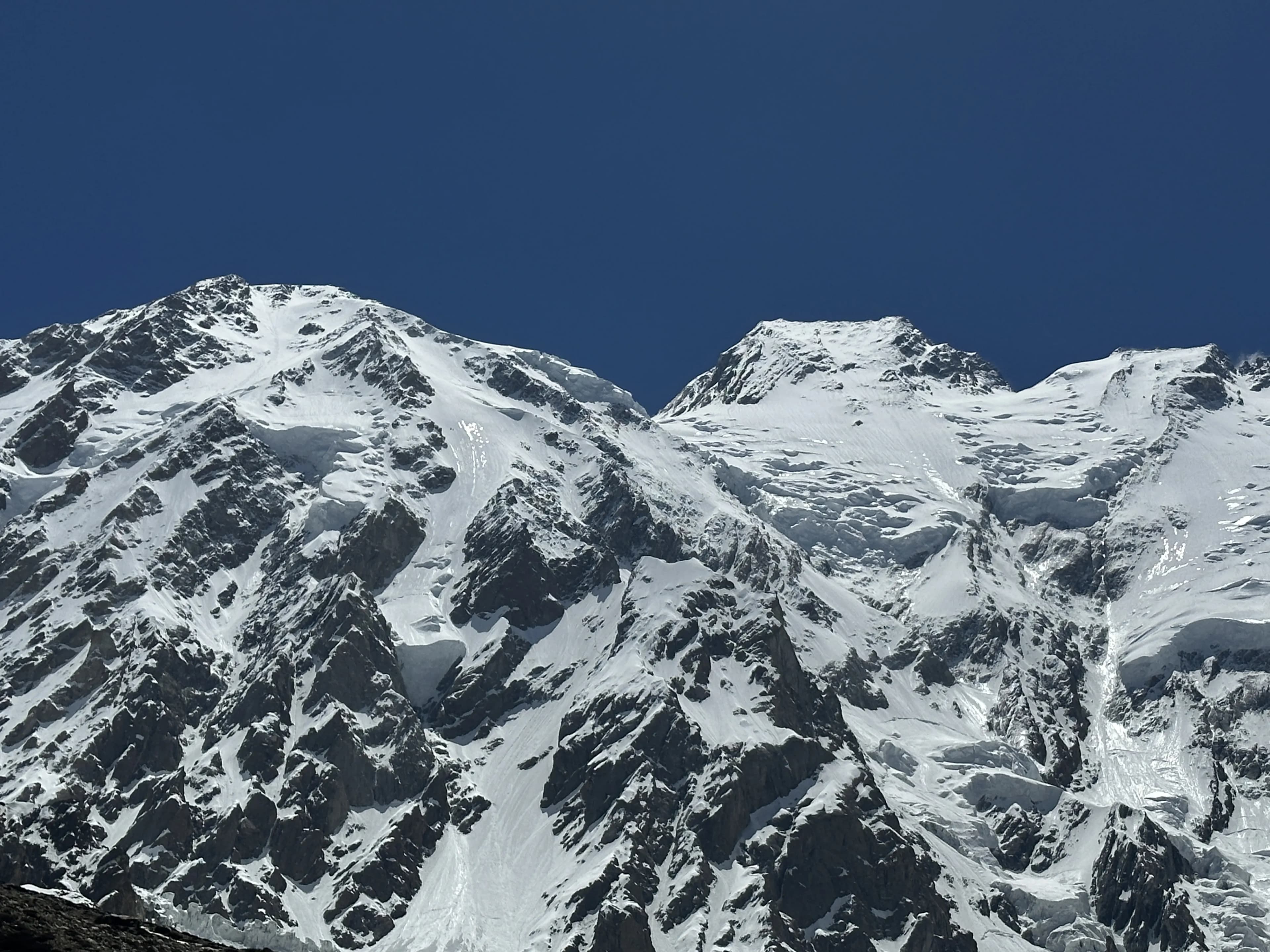
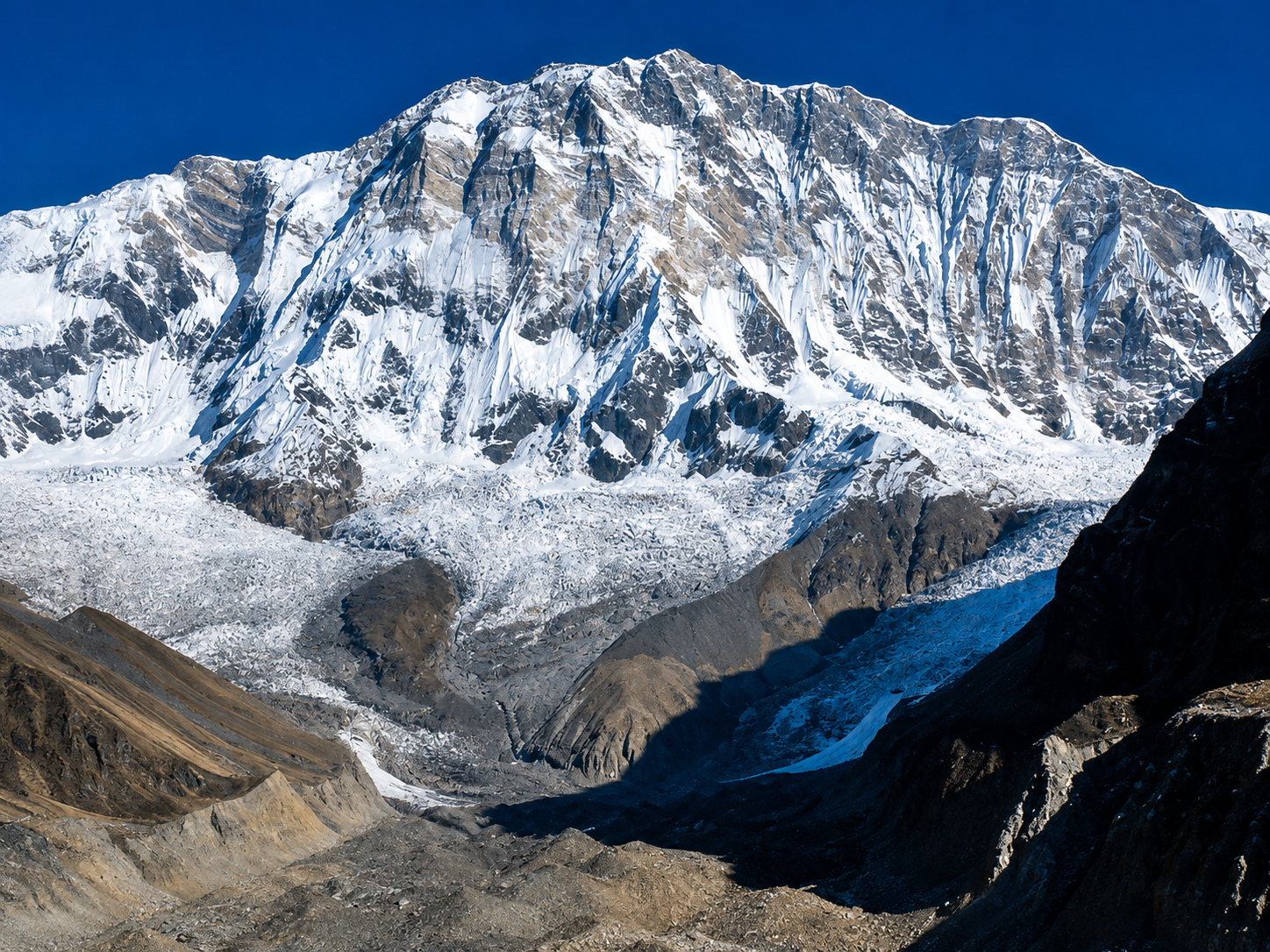
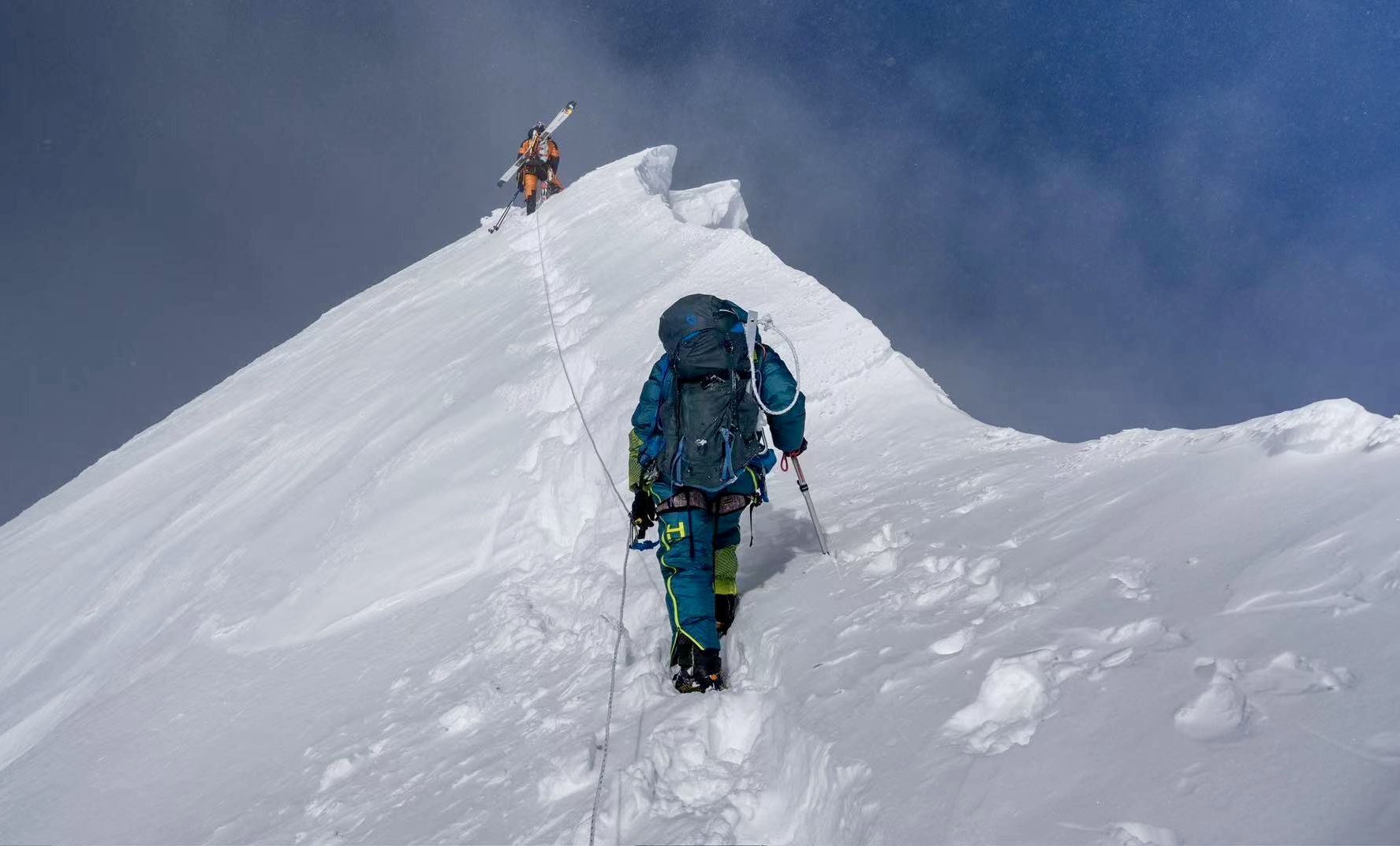
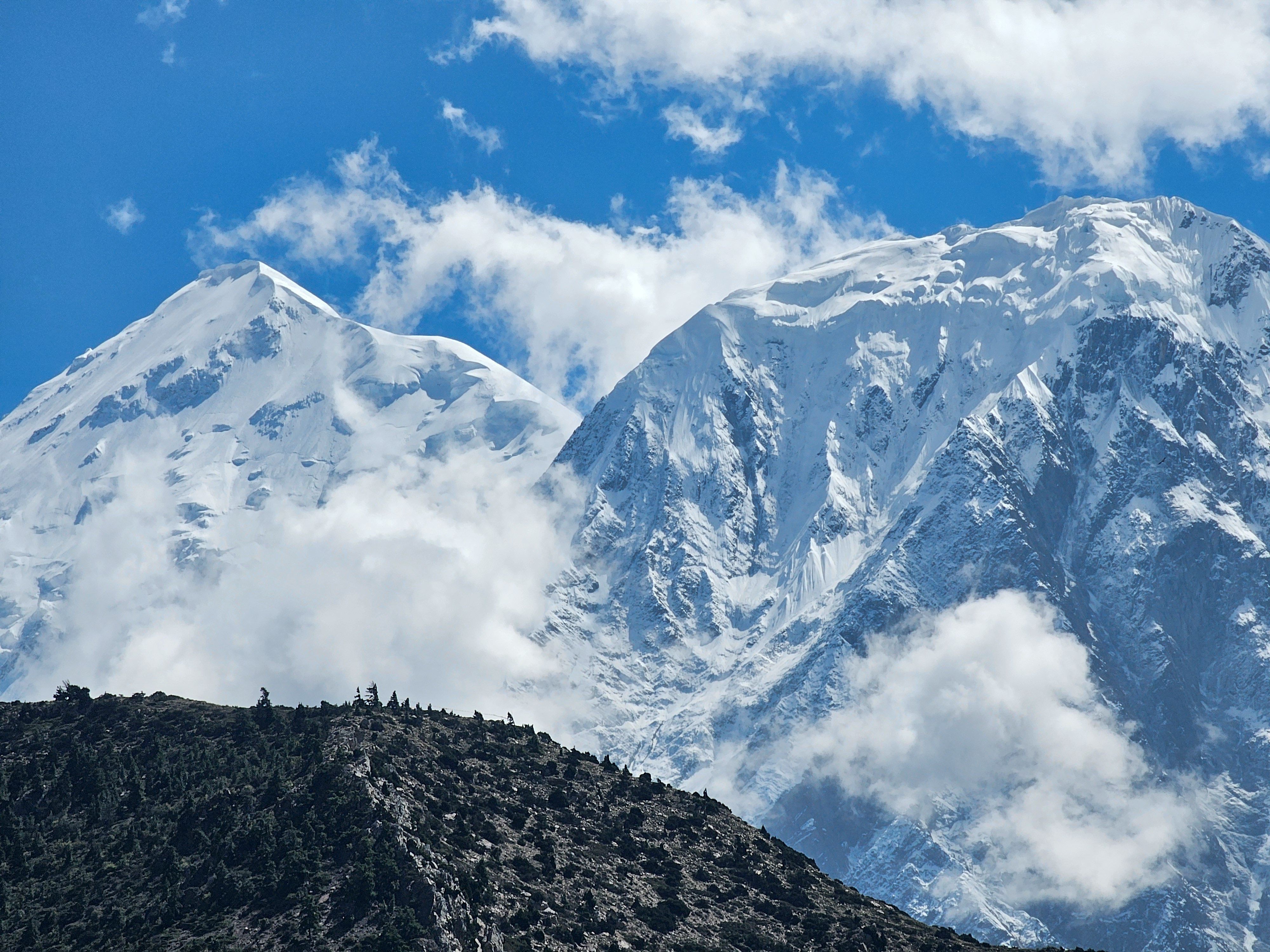
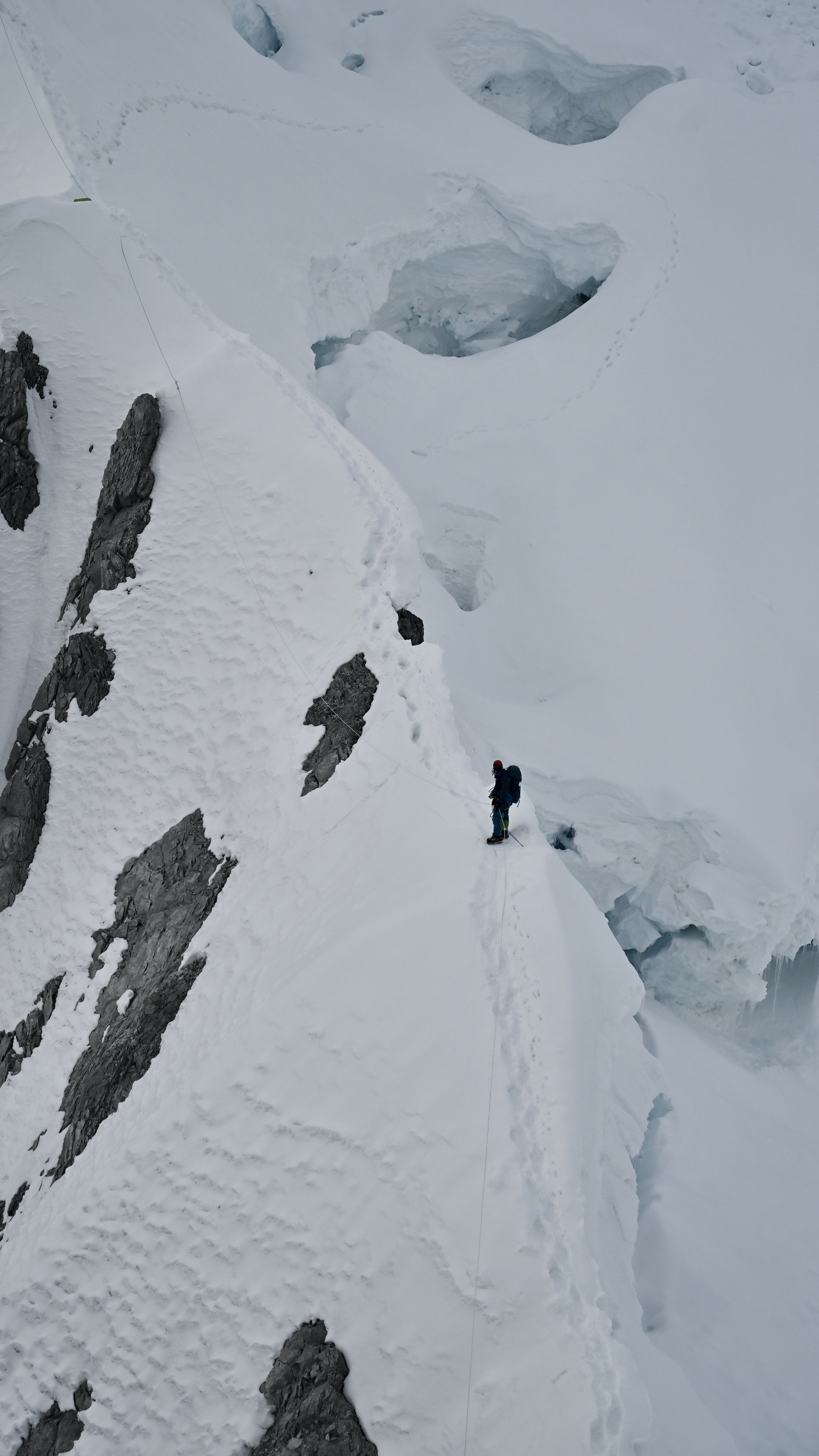
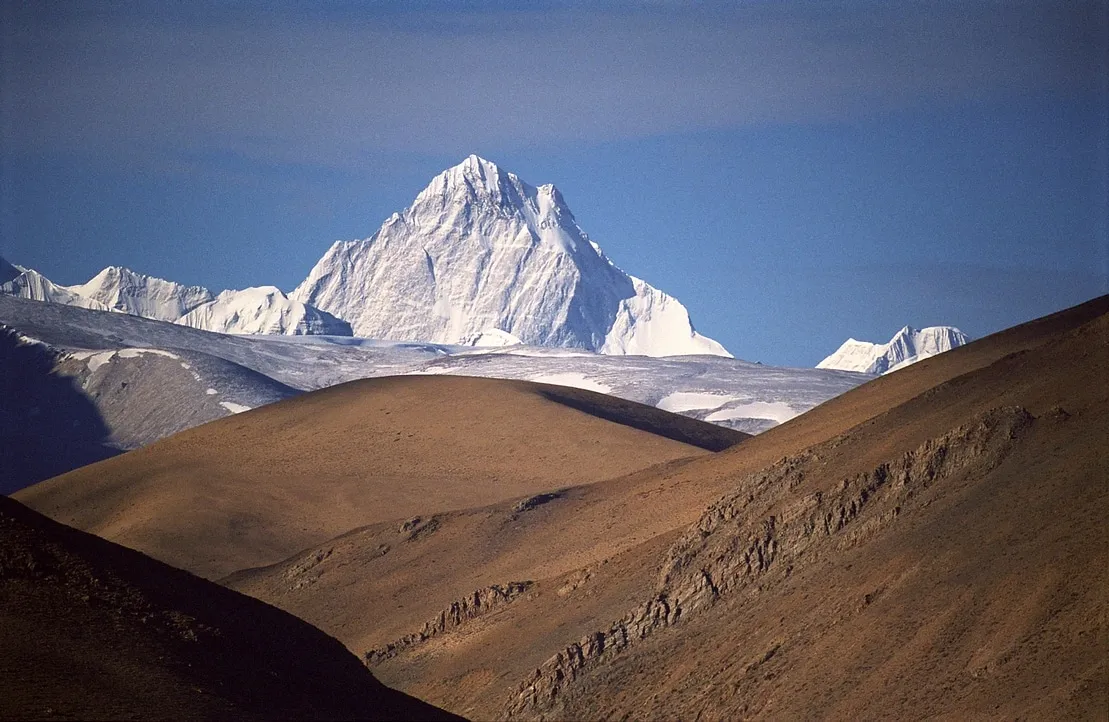
Mount Kanchenjunga (8,586m) is the third-highest mountain in the world and one of the most revered and least-visited of the fourteen 8,000-meter peaks. Straddling the border between Nepal's Taplejung District and the Indian state of Sikkim, the mountain's Tibetan name, meaning “Five Treasures of the Great Snow,” refers to its five major summits — Main, West (Yalung Kang), Central, South, and the satellite peak Kangbachen — each said to safeguard one of five sacred treasures. Kanchenjunga was first climbed on 25 May 1955 by Joe Brown and George Band, members of a British expedition led by Charles Evans, via the Southwest Face above the Yalung Glacier. In a gesture that has shaped Kanchenjunga mountaineering ever since, the pair stopped a few feet below the true summit, honouring an assurance given to the Sikkimese authorities that the sacred top of the mountain would remain untrodden. Since that ascent, Kanchenjunga has consistently ranked among the most rarely summited 8,000-meter peaks, attempted by only a fraction of the expeditions that head to Everest or Manaslu in any given season. Today, most commercial expeditions, including this one, approach from the Nepalese side via the remote northeast valleys of Taplejung District, reaching Pangpema (North Base Camp) before climbing the North Ridge and Northeast Spur. The relative obscurity of this route, combined with the days of trekking required simply to reach Base Camp, gives the Kanchenjunga expedition a sense of genuine isolation that has largely disappeared from the more commercialized 8,000-meter peaks. Just how rarely attempted Kanchenjunga remains is reflected in Nepal's own permit records: during the Spring 2026 season, the Department of Tourism issued climbing permits to only 36 mountaineers across four teams for Kanchenjunga Main, compared with well over a thousand permits issued for Everest in the same window. For climbers who have already ticked off the more crowded 8,000ers and are looking for a genuine high-altitude objective away from fixed-line traffic jams, Kanchenjunga remains one of the very few that still delivers that experience.