Loading
Preparing your Himalayan journey
Dhaulagiri Expedition
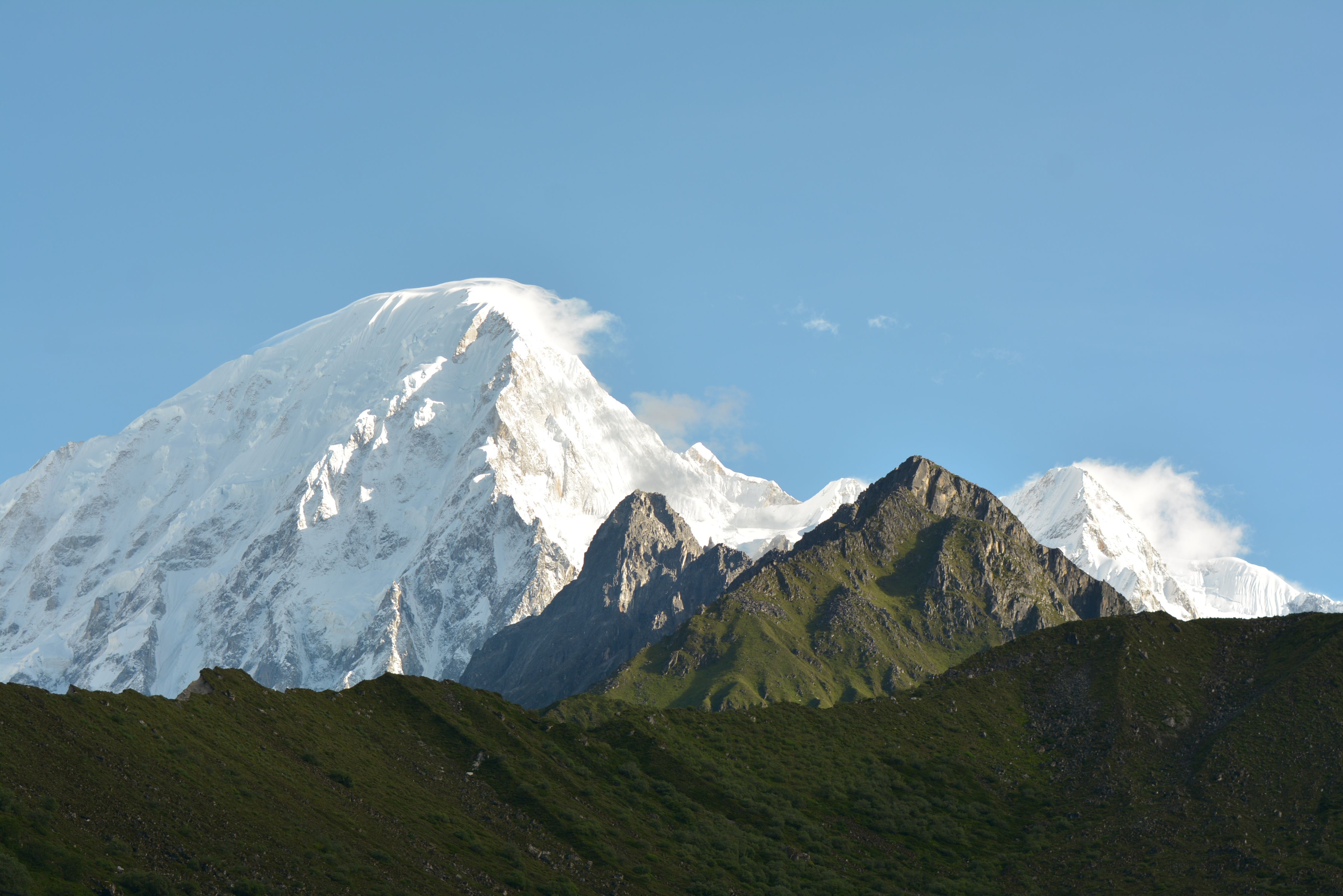
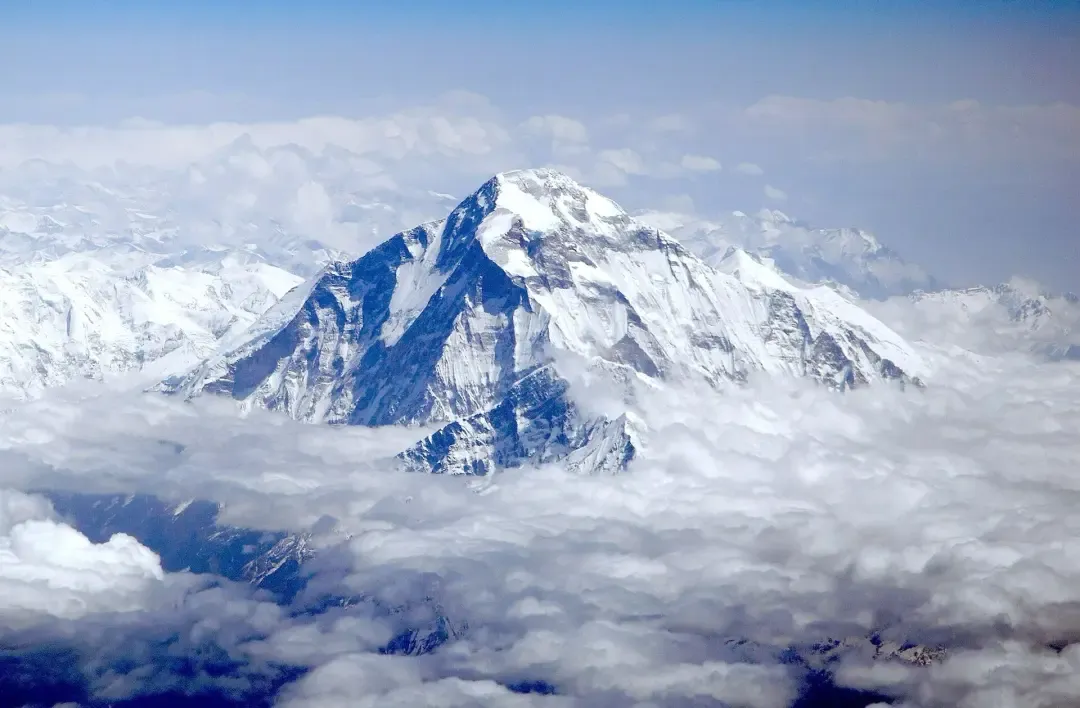
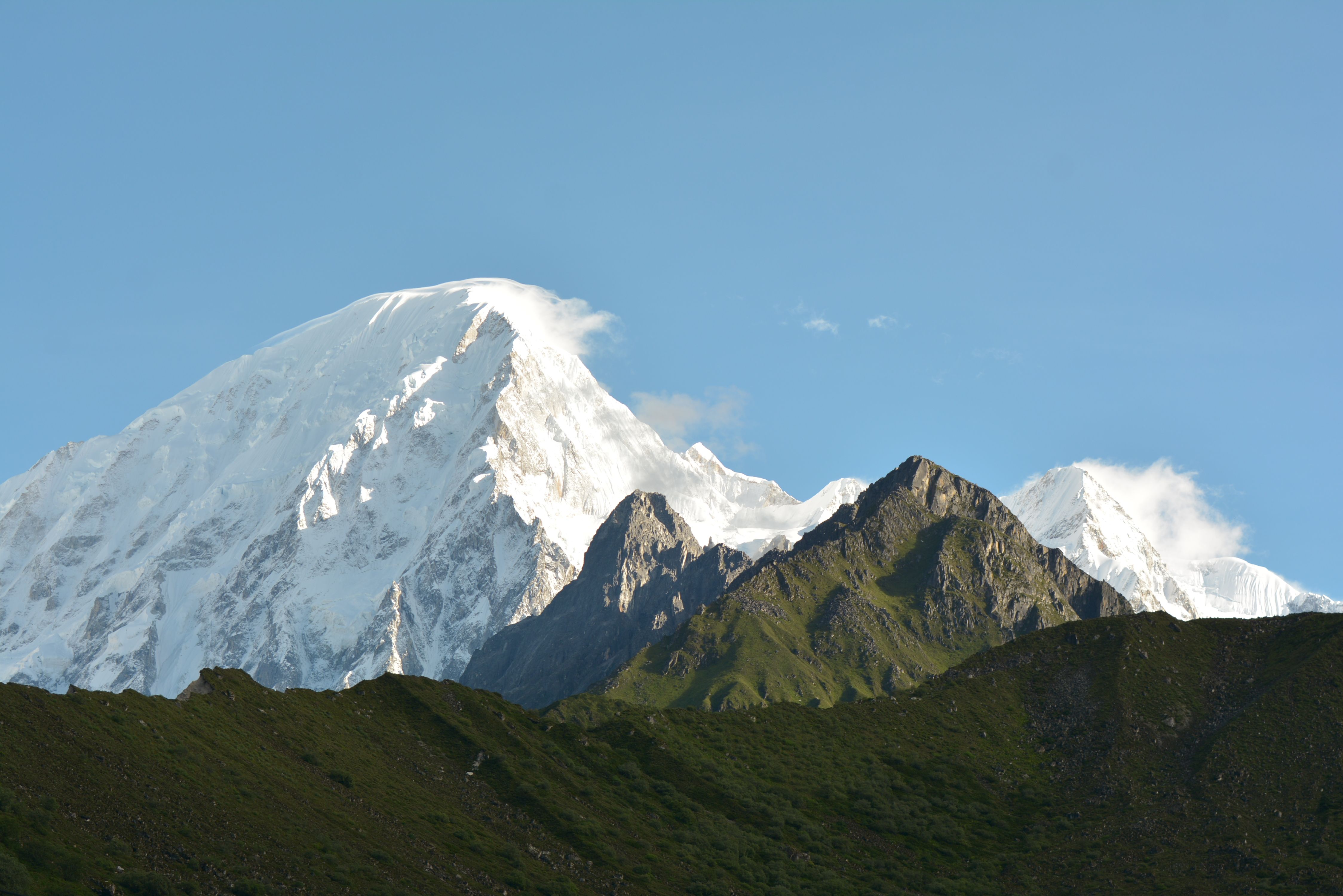
Mount Dhaulagiri (8,167m), the world's seventh-highest mountain, rises above the Myagdi district of west-central Nepal as the western guardian of the Kaligandaki Gorge. Its name, derived from the Sanskrit dhawala giri or “White Mountain,” reflects the massive, glaciated bulk that has made it one of the most respected objectives in 8,000m mountaineering.
Dhaulagiri I was first climbed on 13 May 1960 by a Swiss–Austrian expedition, with Kurt Diemberger, Peter Diener, Nawang Dorje and Nima Dorje reaching the summit via the Northeast Ridge. More than six decades later, the mountain remains a serious technical challenge, attracting far fewer climbers each season than Everest, Manaslu or Annapurna – which keeps the Dhaulagiri Expedition a genuinely committing, low-traffic high-altitude objective for experienced mountaineers.
Our Dhaulagiri Expedition is designed around professional logistics, gradual acclimatization, dedicated Sherpa support and a well-equipped Base Camp, giving climbers the strongest possible foundation for a safe and successful summit attempt on one of the Himalaya's most demanding eight-thousanders.
Dhaulagiri Expedition
Difficulty
10/10
Climbing Dhaulagiri I is widely regarded as one of the most demanding 8000m expeditions in the Nepal Himalaya. Steep ice walls, unstable seracs, frequent avalanches on the upper slopes, and long stretches of fixed-rope climbing above 7,000m make this expedition far more technical than many other eight-thousanders. Climbers joining this expedition should have prior high-altitude mountaineering experience, strong technical climbing ability, and a high level of physical and mental conditioning.
Activity
Mountaineering
This is a complete Dhaulagiri Expedition operated by Himalayan Mountaineering Expedition, taking climbers to the summit of the world's seventh highest mountain, Dhaulagiri I (8,167m). The itinerary is built around a gradual approach trek through the Myagdi valley, progressive acclimatization rotations through Camp I to Camp IV, technical climbing preparation at Dhaulagiri Base Camp, and a carefully timed summit push. With dedicated Sherpa support, full expedition logistics, and an operations team based in Kathmandu, Himalayan Mountaineering Expedition gives climbers the strongest possible platform for a safe and successful Dhaulagiri summit.
Best Season
September - October
Autumn, from September to October, is the preferred climbing season for the Dhaulagiri Expedition. Once the monsoon clears, the mountain settles into a period of more stable snowpack, reduced avalanche risk on the lower slopes, and longer windows of clear weather for the summit push. Cooler, drier air also keeps the route between Dhaulagiri Base Camp and the higher camps in more predictable condition, which is essential on a mountain where snow stability above Camp II changes quickly. Spring (April–May) is occasionally offered for experienced teams on request.
Max Elevation
0
Dhaulagiri I is the seventh-highest mountain on Earth and one of the most committing 8,000-metre peaks open to private expeditions. Reaching its summit demands a disciplined acclimatization plan, efficient rotation through Camps I, II, III and IV, careful route-finding through crevasse fields and avalanche-prone slopes, and the full support of an experienced expedition crew – which is exactly what Himalayan Mountaineering Expedition provides on every Dhaulagiri Expedition we operate.
Location
Nepal
Dhaulagiri takes its name from the Sanskrit dhawala giri, meaning “White Mountain,” and few peaks live up to a name as completely as this one. Rising on the western side of the Kaligandaki Gorge – the deepest gorge on the planet, separating the Dhaulagiri and Annapurna massifs – the mountain dominates the skyline of west-central Nepal with an isolation that few 8,000m peaks still have.
Transportation
Helicopter - Jeep - Flight
Transportation on this expedition is arranged for efficiency at every stage of the journey. The Dhaulagiri Expedition begins with a domestic flight from Kathmandu to Pokhara, followed by private ground transportation into the Myagdi valley trailhead at Darbang. After the summit, the route exits over French Pass and Hidden Valley toward Marpha and Jomsom, from where climbers fly back to Pokhara before returning to Kathmandu. All transportation is coordinated directly by our expedition operations team
Duration
0 Days
The 43-day Dhaulagiri Expedition itinerary allows for arrival and preparation in Kathmandu, a scenic approach through the Myagdi valley to Dhaulagiri Base Camp, sufficient acclimatization rotations through the higher camps, and a flexible summit window before exiting the region over French Pass and Hidden Valley toward Marpha. Unlike compressed alpine-style programs, this schedule is designed to reduce avalanche exposure by allowing the body to adapt gradually to extreme altitude. Built-in contingency days give the expedition team room to wait for a genuine weather window rather than forcing a summit attempt in marginal conditions, which is one of the main factors behind a strong summit success record on a mountain known for its unpredictability.
Group Size
2 - 15
Himalayan Mountaineering Expedition keeps Dhaulagiri Expedition groups deliberately small, which allows closer guide-to-climber ratios, faster decision-making during rotations, and more individual attention through the technical sections above Camp II. Smaller teams also mean less congestion on fixed lines through the icefall and crevasse zones, which matters on a mountain where timing and route conditions can change quickly.
Accommodation
Hotel - Jeep - Flight
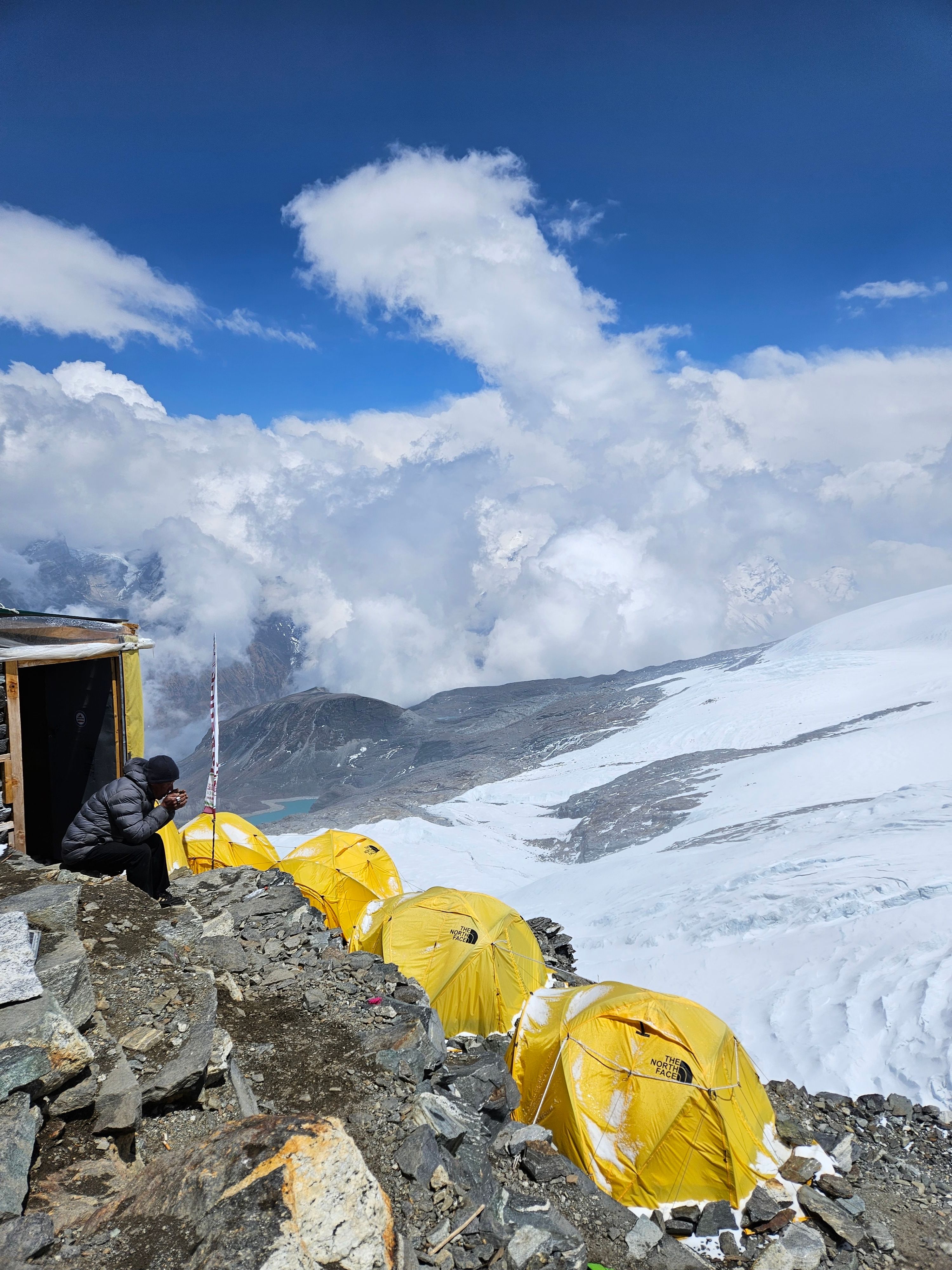
Accommodation throughout the Dhaulagiri Expedition is matched to each phase of the climb. Climbers stay in comfortable hotels in Kathmandu and Pokhara during preparation, transit and recovery, in mountain lodges through the Myagdi valley approach trek, and in fully serviced expedition tents at Dhaulagiri Base Camp and the higher camps. Base camp facilities are set up to support proper nutrition, hygiene, communication and recovery between rotations, which becomes especially important on a long, technical expedition like this one.
Price
$0
Our Dhaulagiri Expedition cost starts from USD 23,000 per person, with Classic, Elite and Signature service levels available depending on your climbing goals, oxygen requirements, Sherpa support and comfort preferences. The final Dhaulagiri Expedition price depends on the package selected, the number of personal climbing Sherpas, supplemental oxygen requirements and any additional customization. Full package details, inclusions and exclusions are listed in the Dhaulagiri Expedition Packages section below.
Food
B - L - D
Nutritious, high-calorie meals are provided throughout the trekking and climbing phases to support performance and recovery at altitude, including breakfast, lunch, dinner, hot drinks and safe drinking water from Pokhara through to Base Camp.
Overview
Dhaulagiri Expedition is considered to be one of the most demanding and respected high-altitude mountain climbing expeditions. Dhaulagiri I is the seventh highest mountain in the globe with a height of 8,167 meters. This mountain is situated in Himalayan range of Nepal characterized by remote location, harsh weather, steep ascending slopes and treacherous glacial bodies. It is a challenge of skill, stamina, and perseverance to the experienced climbers.
Unlike more commercial climbs such as the Everest expedition, Dhaulagiri offers a more isolated and technically challenging experience. It also appeals to mountaineers wanting to leave the existing trails and ascend a mountain with much more self-reliance, planning, and technical skill. Dhaulagiri might be regarded as a serious goal of elite climbers due to its challenge and reduced traffic, trying to attain one of the hardest 8000-meter missions.
A Swiss-Austrian expedition team was the first to summit Dhaulagiri, May 13, 1960. It has since then gained a reputation of being amongst the most difficult major Himalayan peaks. Although it does not receive the same level of international attention as an Everest expedition, it is highly respected in the mountaineering world for its demanding conditions and complex climbing route.
The name of the mountain is White Mountain, and the huge snow-white face of it stands high above the other valleys. It is a great challenge with its size and its structure, though its beauty is really striking. Climbers in various parts of the world have over the years tried Dhaulagiri although only those with high experience in high altitude climbing, glacier travel and technical ice climbing can meet its needs.
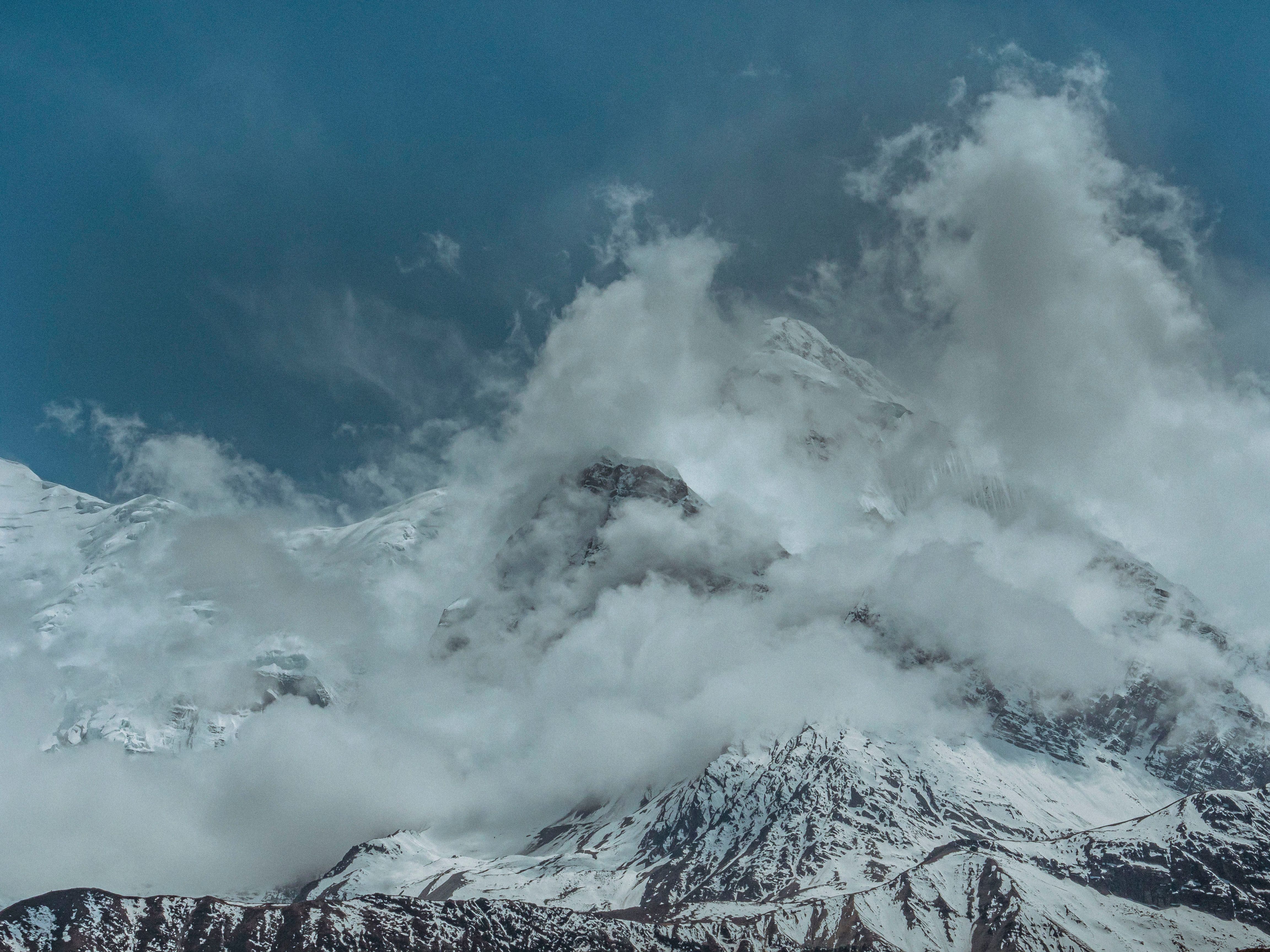
Reaching a summit is not the only thing about climbing Dhaulagiri. It concerns dealing with the omnipresent dangers in one of the most adverse places on the planet. Climbers have to go through deep crevasses, unstable snow slopes, icefalls, and open ridges. Weathers are highly dynamic and can alter in seconds with high wind speeds, freezing temperatures as well as low visibility.
Compared with an Everest expedition, where routes are more established and support systems are often more available, Dhaulagiri requires climbers to be more independent and adaptable. The mountain is less widespread and this implies the lack of fixed resources and cautiousness. All the steps of the adventure require concentration, collaboration, and safe decision-making in the face of severe circumstances.
An expedition to Dhaulagiri needs great physical fitness and high mental strength. It takes weeks before climbers adapt to altitude, load carrying, camp setups and find the proper weather window. The high elevation elevates the thinness of the atmosphere, and the movement becomes more exhausting and the body takes long before it recovers.
It is also important to have mental strength. Avoiding cold and remote areas may be psychologically devastating. Climbers should remain patient, calm, and disciplined particularly when the weather slows down or the hazardous terrain retards the progress. Just like an Everest expedition, success depends not only on strength but also on preparation, strategy, and the ability to remain focused under pressure.
Technical climb is one of the key factors why Dhaulagiri is regarded to be so hard. The path involves the glacier crossings, rocky ice parts, snow barriers and the thorny summit ridges. The last step to the summit may be very difficult and it takes the more sophisticated skills of mountaineering and the capacity to climb with precaution in unguarded areas.
It is by no means a mountain top. The climbers should have experience climbing high altitude mountains and be comfortable with ropes, crampons, ice axe, and other technical equipment. While many people dream of joining an Everest expedition, Dhaulagiri is often chosen by those looking for an even more serious and less commercial climbing objective.
Dhaulagiri still draws tourists of other countries despite its dangers and less high success rate. The mountain has one of the few combinations of beauty, challenge, and status. To most mountaineers, reaching its peak is not only the outcome of the years of training, experience and dedication but also their goal.
Dhaulagiri is recommended to the climbers, who seek to have more than a typical Himalayan ascent. It has the benefits of being lonely, having the sense of adventure, and being able to take on one of the most significant challenges in mountaineering. While the Everest expedition is widely known and often seen as the ultimate Himalayan goal, Dhaulagiri holds a special place for those who value difficulty, remoteness, and true alpine challenge.
The Dhaulagiri Expedition is a great adventure into one of the most harsh mountain conditions in the world. Being the highest of the Himalayas as well as hard to access due to its rocky terrain and harsh weather as well as being a technical climbing expedition, thereby making its access difficult, it is one of the most challenging expeditions in the Himalayas. It requires bravery, patience, proficiency and careful planning at each step.
For mountaineers seeking a climb that goes beyond the experience of a typical Everest expedition, Dhaulagiri offers a more rugged and demanding path. It is still a great symbol of adventure and human will and it is still motivating to climbers who want to everest overcome one of the hardest peaks in the world, 8000 meters.
Explore our journey on Instagram, Facebook & TikTok for photos, videos, and stories
Would you like to ask us in email info@himalayanmountaineering.com.
Itinerary
Day 01:
Arrival in Kathmandu and meet with our representative at the airport and transfer to Hotel. Welcome drink and short briefing about Annapurna I Expedition.
Overnight in Hotel - 1400 meter
Day 02:
Paper work, gear preparation and more briefing about the trip.
Overnight in Hotel – 1400 meter
Day 03:
Fly to Pokhara from Kathmandu.
Overnight in Hotel – 960 meters
Day 04-05:
Drive to Marpha from Pokhara and acclimatize for one more day. We can explore Muktinath during our acclimatization in Marpha.
Overnight in Lodge – 2670 meters
Day 06:
Trek to Yak Kharka
Overnight in Tent – 4900 meters
Day 07:
Trek from Yak Kharka to Dhampus Base Camp also known as hidden valley. We will go through Thapa pass to reach Base Camp.
Overnight in Tent - 5244 meters
Day 08:
Trek from Dhampus Base Camp to Dhaulagiri Base Camp.
Overnight in Tent – 4750m
Day 09-30:
This is our time period where we will acclimatize our self to high altitude and know the Dhaulagiri better by rotating from Camp 1, Camp 2 and Camp 3 and base camp. This will help us to understand the mountain better and we will do our religious puja ceremony for our successful expedition.
Overnight in Tent- 4750m – 8167m
Day 30-40:
These 10 days are important days for since we will wait for good weather to approach summit and we will go for the summit looking at the best timing. Once we summit the mountain we will be back to base camp with in these days.
Overnight in Tent- 4750m – 8167m
Day 41:
Fly to Pokhara by Helicopter and Rest Day in Pokhara
Overnight in Hotel – 960 meters
Day 42:
Fly to Kathmandu and Rest Day
Overnight in Hotel - 1400
Day 43:
Final Departure to International Airport after Breakfast.
Route Map
Gear List
Here's a gear checklist for the Dhaulagiri Expedition, broken down by categories. This list covers essential equipment for high-altitude climbing, keeping in mind the technical challenges and severe conditions you may encounter during the climb.
This checklist will help ensure you have the proper gear for your Dhaulagiri Expedition. Depending on the season and specific route, additional gear might be required. Always double-check with your expedition leader or guide for any personal or specific needs.
The Team
Our Dhaulagiri 1 expedition team will be led by experienced Ningma Dorje Tamang who has a big history of climbing the big mountains with an experience of 15 years. Ningma Dorje Tamang is the Co-Founder and Director of Himalayan Mountaineering Expedition with over 15 years of mountaineering experience. He has guided and climbed major peaks including Everest, K2, Annapurna I, and Nanga Parbat. Known for his technical skills, leadership, and endurance, he is a highly respected high-altitude guide in Nepal. There will be other sherpa working under him for each members. There will also be a base camp who will take care of foods, accommodation and hygiene. There will also be team in Kathmandu who will work on weather update, helicopter arrangements and other necessary things.
Booking
Official Booking Confirmation is made only after 20% deposit of the total amount of the Expedition. Please contact us through email or inquiry form so that we can talk and confirm our booking.
FAQ
The expedition begins with a trek through the Myagdi Khola valley from Darbang, climbing steadily through forest and alpine terrain before reaching Dhaulagiri Base Camp beneath the mountain's south face. This gradual approach builds natural acclimatization ahead of the technical climbing above.
Most commercial expedition climbers use supplemental oxygen during the higher stages and summit push. Climbing without oxygen is possible but significantly increases the physiological demands and risks.
You need exceptional endurance, strength, recovery ability, and mental resilience. Climbers must be capable of operating for many hours in extreme cold while carrying equipment at very high altitude.
Dhaulagiri combines technical climbing, extreme altitude, isolation, unpredictable weather, avalanche exposure, and a remote approach. Even its standard Northeast Ridge demands considerable high-altitude experience and careful expedition management.
Generally, no. Climbers should have extensive high-altitude mountaineering experience, ideally including previous 7,000 m or 8,000 m expeditions, together with strong technical climbing skills.
Gallery
Trip Inquiry
Search another peak or departure, or send your questions, preferred dates, group size, and expedition requirements — our team will get back to you.
Not sure which peak? Browse all expeditions or send us a message and we'll recommend one.