Loading
Preparing your Himalayan journey
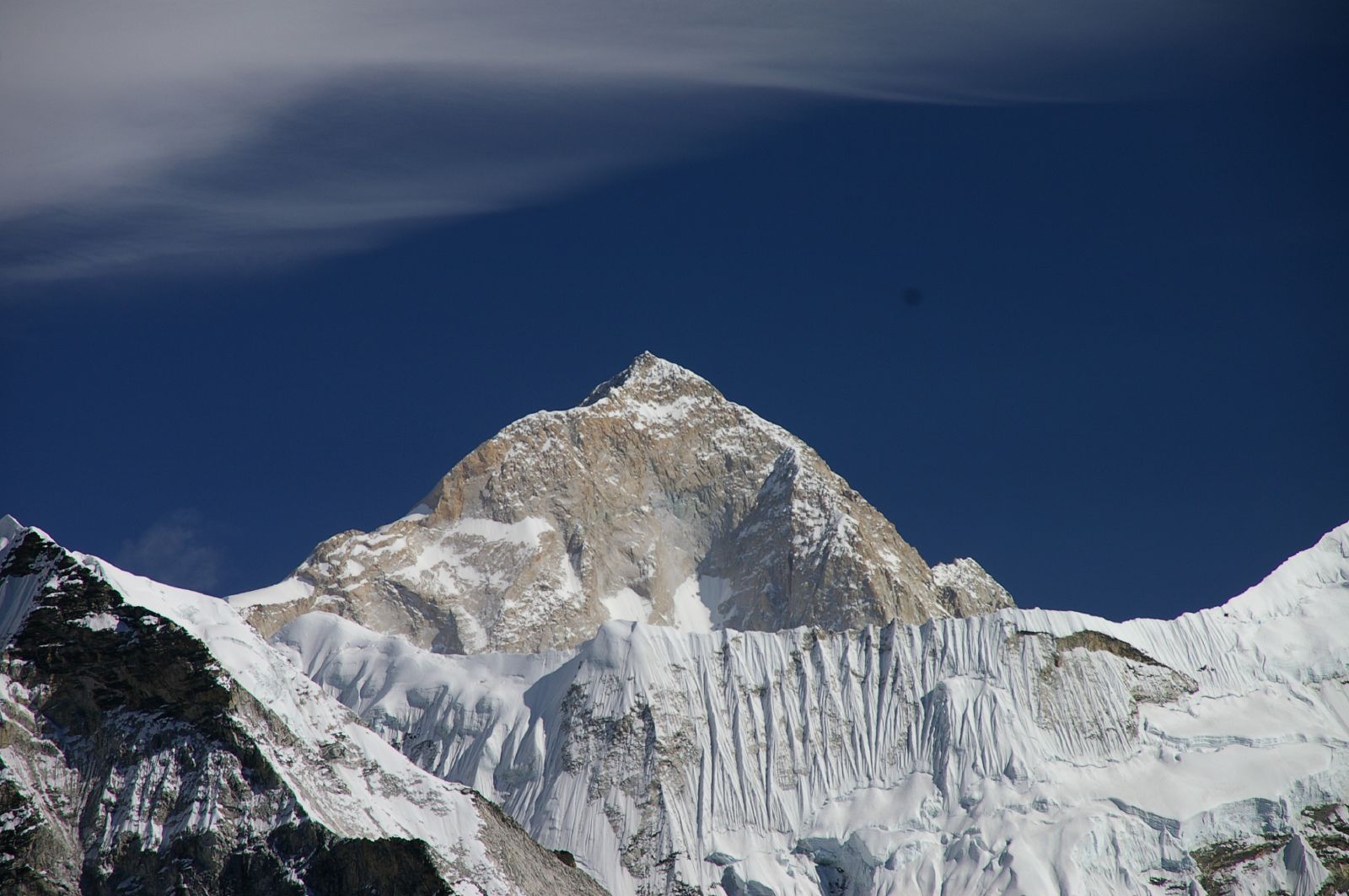
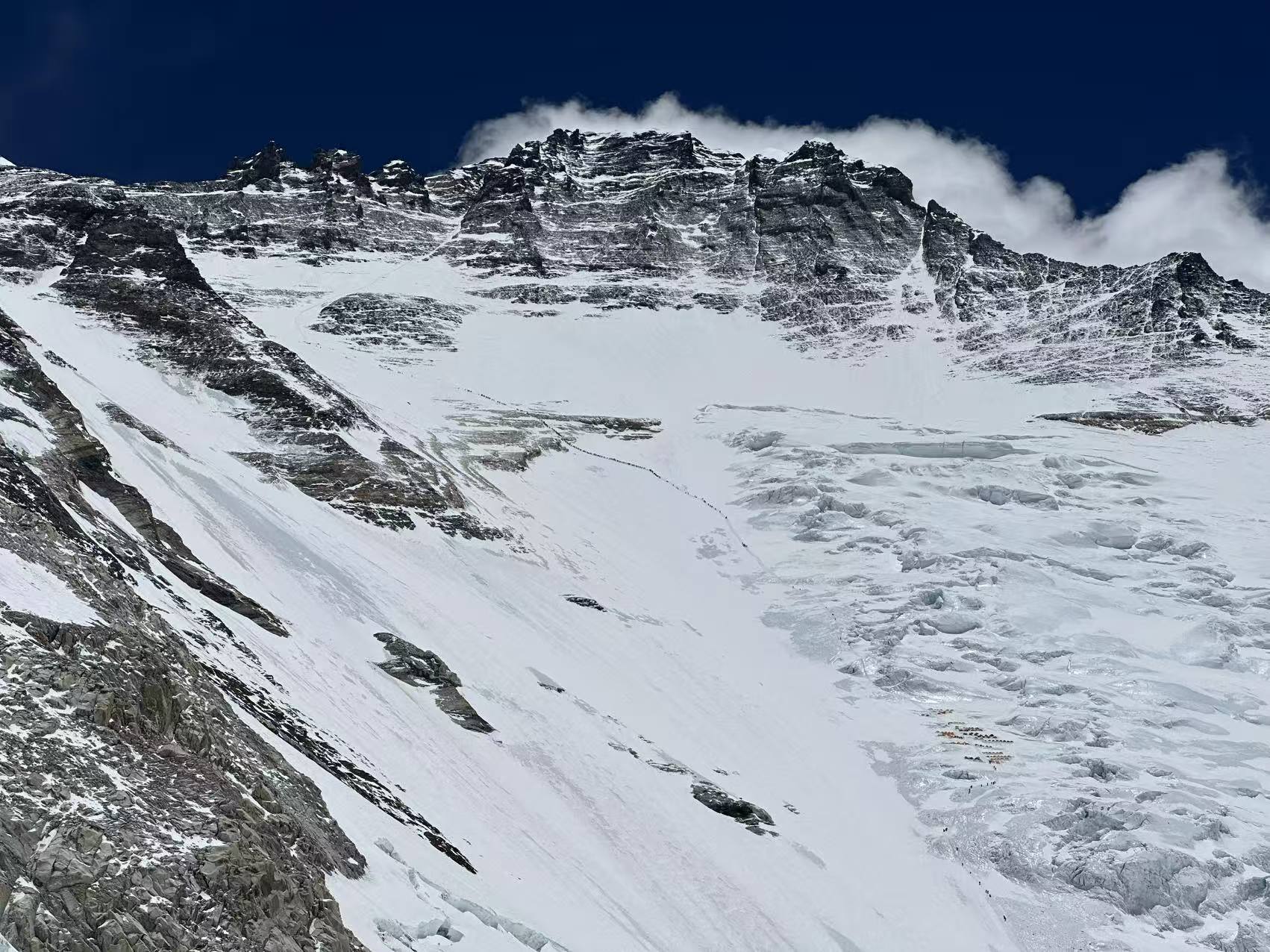
Makalu Expedition
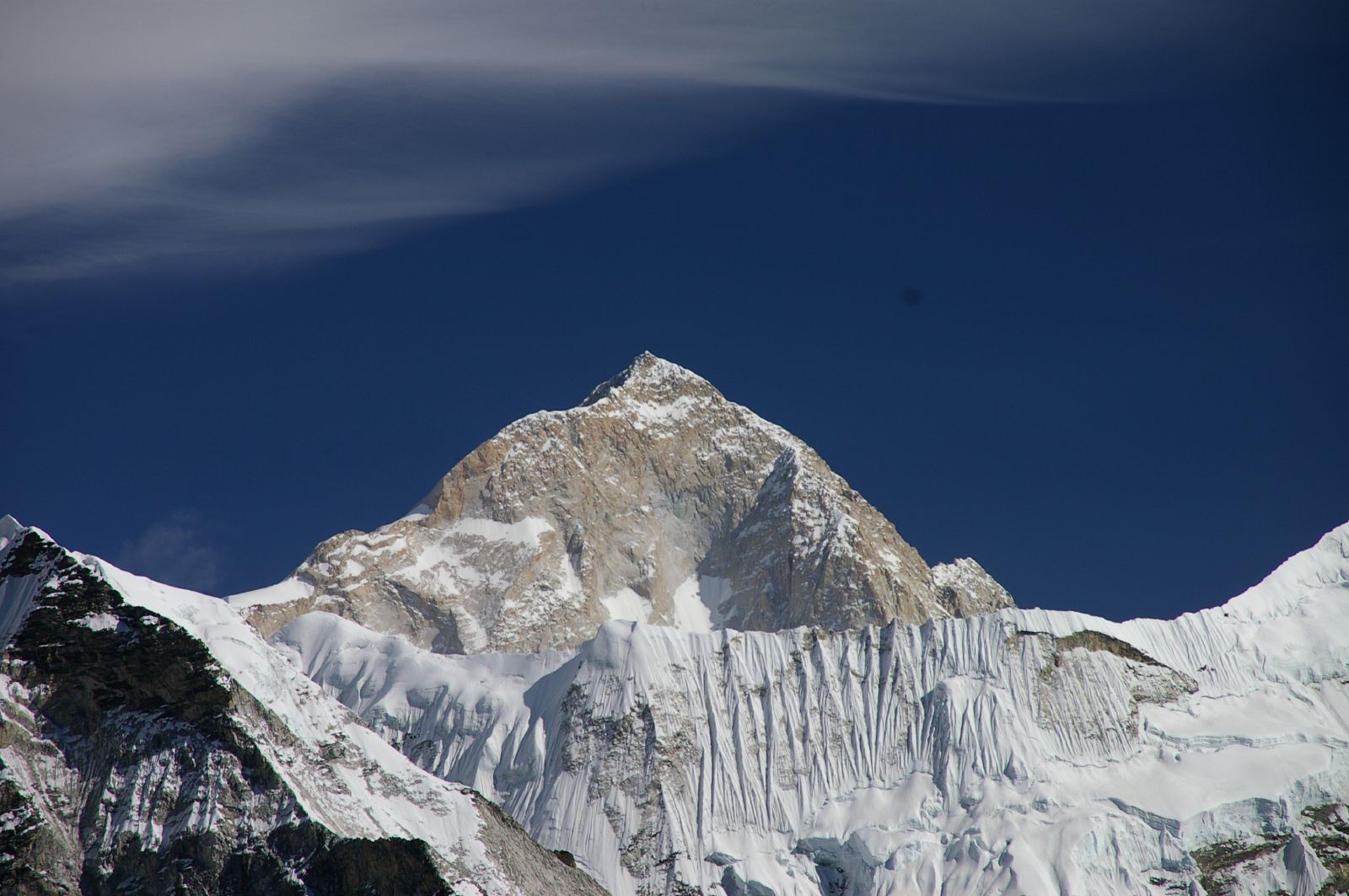
The Makalu Expedition is one of the toughest challenges in Himalayan mountain climbing, where climbers attempt to reach the summit of Makalu, the fifth-highest mountain in the world, standing at 8,485 meters. Located on the border of Nepal and Tibet, Makalu is known for its steep, technical terrain and unpredictable weather. Its pyramid-shaped summit makes the climb even harder. The first successful Makalu climbing was in 1955 by a French team, and since then, only a few climbers have managed to reach the top because of its dangerous conditions.
In the world of Himalayan mountain climbing, Makalu still attracts experienced climbers who want a more challenging climb than Everest or other popular peaks. Today’s Makalu expeditions often rely on advanced technology and equipment to deal with the tough logistics. But the risks of avalanches, altitude sickness, and extreme weather still make it a deadly adventure. Every successful Makalu expedition is seen as a huge accomplishment in high-altitude climbing.
Makalu Expedition
Difficulty
10/10
Climbing Makalu is not a numbers game. Far fewer climbers attempt it each year than Everest, Manaslu, or Cho Oyu, and the mountain's near-perfect four-sided shape leaves almost nowhere for a route to hide from the wind. Steep ice pitches above the Makalu La, technical rock low on the summit ridge, and a death-zone push from Camp 4 demand genuine climbing competence, not just fitness. Himalayan Mountaineering Expedition builds every Makalu departure around that reality, pairing structured acclimatization with experienced Sherpa support so climbers arrive at each high camp ready for what comes next, rather than simply surviving the day before.
Activity
Mountaineering
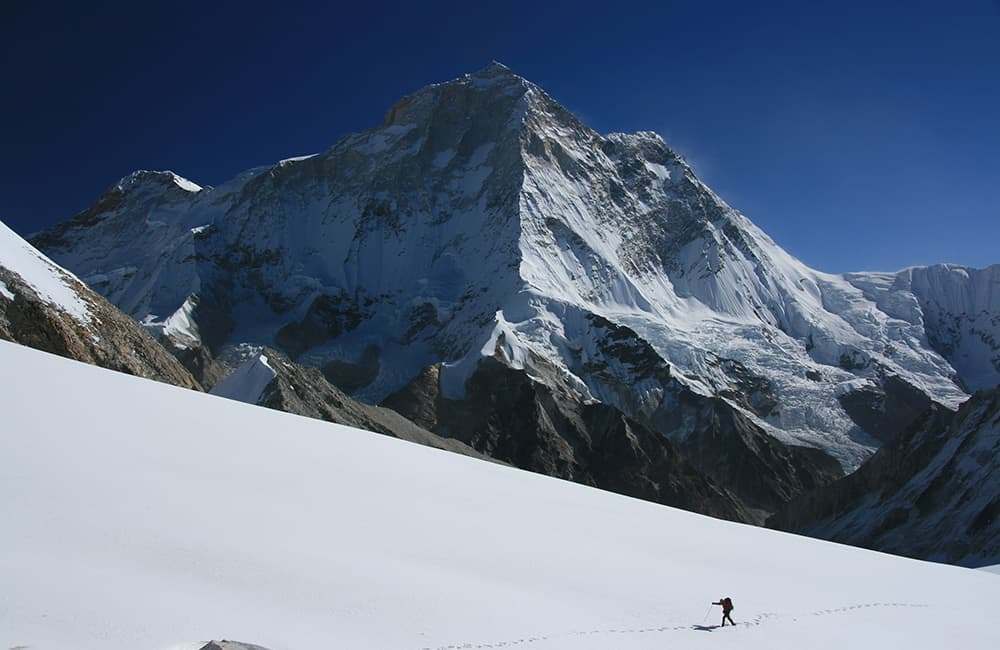
Makalu (8,485m) does not get the attention Everest does, and most climbers who have actually stood on both summits will tell you that is exactly backwards. Located in the Mahalangur Himal barely nineteen kilometres southeast of Everest, Makalu is built like a four-sided pyramid, with faces scooped into deep cirques and four sharp ridges, two of which trace the Nepal-Tibet border itself. There is nowhere on this mountain for a route to hide from wind or exposure, and that uncompromising geometry is precisely why Makalu has a reputation as one of the most technically demanding of the fourteen eight-thousanders
Best Season
March - April
The best season for the Makalu Expedition is spring, with the most reliable summit windows typically opening in the second half of May once the post-monsoon jet stream lifts off the upper mountain. Sitting in the Mahalangur Himal between Everest and the open lowlands, Makalu catches weather systems from both directions, and its exposed pyramid shape means wind, not snowfall, is usually the deciding factor in whether a summit attempt can go ahead.
Max Elevation
0
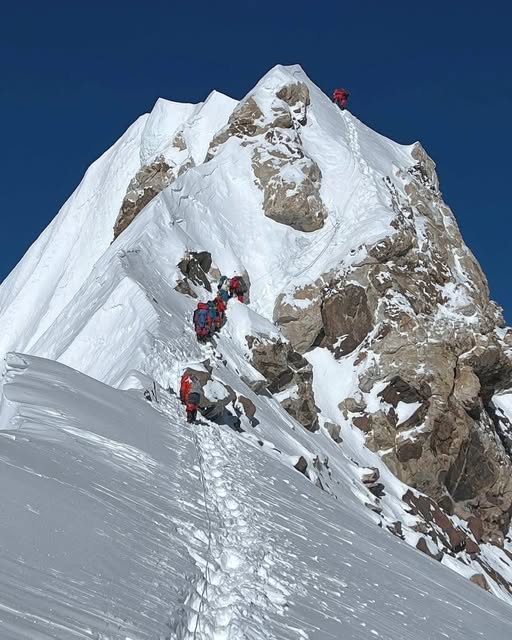
The high point of the Makalu Expedition is 8,485 metres, the summit of Makalu and the fifth of the world's fourteen eight-thousanders. The final hours above Camp 4 sit fully inside the death zone, where the air carries roughly a third of the oxygen available at sea level and the body stops recovering, it only deteriorates more slowly with good decisions. Makalu's summit pyramid adds a wrinkle most 8,000-metre peaks do not have at this altitude: a short but genuine rock-climbing section in the final metres, often climbed in crampons with bare fingers exposed to the cold for crucial handholds
Location
Nepal
The trek to Makalu Base Camp passes through one of the least-developed approach routes to any 8,000-metre peak in Nepal, threading through Rai and Sherpa villages, rhododendron forest, and high alpine passes before the valley opens onto the glacier and the mountain itself comes into full view. Unlike the well-worn trails of the Khumbu, the Barun Valley sees only a handful of expeditions each season, and that solitude is part of what draws serious mountaineers to Makalu in the first place.
Transportation
Helicopter - Jeep - Flight
Transportation for the Makalu Expedition is fully arranged as part of the package. After arrival in Kathmandu, climbers take a scenic short flight to Tumlingtar, followed by a jeep transfer along mountain roads to Num, the roadhead for the Barun Valley approach. From there, the journey to Base Camp continues entirely on foot through terrain no vehicle can reach. On the return journey, Himalayan Mountaineering Expedition arranges a helicopter transfer from Base Camp directly to Lukla, cutting out several days of reverse trekking once the climb is complete and getting tired climbers back to comfort and connectivity faster. All ground and air logistics are coordinated by our Kathmandu office to keep the itinerary moving smoothly around weather and seasonal flight schedules.
Duration
0
Above Base Camp, roughly 29 days are reserved for the climbing and summit period, structured around acclimatization rotations, load-carrying to stock the high camps, and patient waiting for a stable weather window before the final summit push. Contingency days are built into the schedule throughout, because Makalu's weather rarely cooperates on a fixed timetable, and a rushed summit attempt on this mountain is how serious accidents happen. Every day in this itinerary earns its place
Group Size
2-15
The Makalu Expedition is operated in groups of between 4 and 15 climbers, a range chosen to keep logistics efficient on a remote mountain without turning the climb into a crowd. Smaller, well-coordinated teams move faster through the high camps, communicate more clearly during summit-window decisions, and receive closer attention from guides and Sherpa staff than is realistic on a mass-departure expedition
Accommodation
Hotel - Tent - Lodge
At Base Camp, Himalayan Mountaineering Expedition operates a properly equipped expedition setup with a dining tent, kitchen tent, and communication tent, designed to give climbers a real place to recover between rotations rather than just somewhere to sleep. Tents above Base Camp are selected for genuine mountain durability, and every effort is made to balance comfort with the practical limits of operating a camp at 5,000 metres and higher.
Price
$0
The Makalu Expedition price starts from USD 23,000 per person under our standard fully supported Classic package. This covers core expedition logistics, permits, Base Camp services, climbing support, staffing, and the operational management required to run a professional 45-day expedition on one of Nepal's most demanding eight-thousanders.
Food
B - L - D
Nutrition is taken seriously on the Makalu Expedition. Our Base Camp kitchen crew prepares a rotating menu of continental, Nepali, and Tibetan dishes designed around carbohydrates, protein, and hydration, the fuel that actually matters above 5,000 meters. Vegetarian and other dietary requirements can be accommodated; just let us know at least 60 days before departure so our cooks can plan accordingly.
Overview
The Makalu Expedition is considered to be one of the hardest and most admired adventures in the sphere of mountaineering on high altitudes. Mount Makalu is the fifth-highest mountain on Earth with the height of 8,485 meters (27,838 feet). It is a Himalayan range found along Nepal and Tibet border. Due to its steep ridges, sharp faces, and remote location, Makalu is regarded as being very technical in comparison to the 8,000-meter range of other mountains.
As compared to mountains where the season is rife with mountaineers, Makalu is common with experienced mountaineers who are willing to face extreme situations. It is an incredible pyramid of power and tough climbs, which pose a serious challenge to expertise, muscle and stamina due to its striking pyramid structure, strong winds and hard climbs.
The successful first ascent of Makalu was first made in the year 1955 when a French expedition team arrived at Makalu summit. This was a milestone in the history of Himalayan climbing. Even now, Makalu has been among the least-climbed large peaks due to its perilous terrain and extreme path up it.
The achievement of the summit of Makalu is regarded even nowadays as a significant achievement. While many climbers dream of completing an Everest expedition, some choose Makalu because it offers a more remote, technical, and serious mountaineering challenge.
The steep and technical nature of the mountain is one of the key factors that makes Makalu Expedition so difficult. Climbers will have to go through rocks, snow slopes, ice walls, and tight ridges. Climbing does not only demand physical fitness but also good technical climbing skills. Unlike some routes on an Everest expedition, Makalu gives climbers less margin for error.
The Makalu weather is highly changeable. Intense winds, snow freezes, and unexpected snowstorms make the mountains hazardous to the climbers. Even well-equipped teams can be made to re-turn in case of some unstable weather. The main cause of Makalu being a deadly mountain is these weather patterns that are very unpredictable.
Similar to all the Himalayan mountains that are above 8,000 meters, Makalu puts the climbers at grave risk of facing altitude. These include:
The higher the climbers go, the harder it is to adapt their bodies to the thin air. This complicates all the steps and exposes the threat of life-threatening conditions.
Makalu is mostly likened to the Mount Everest since the two are the tallest in the world. However, the experience of climbing Makalu is very different from joining an Everest expedition. Everest is more business oriented and has superior routes, camps and support mechanisms. However, Makalu is more distant and not so busy.
For many climbers, an Everest expedition is a dream because of Everest's fame and status as the highest mountain on Earth. Still, Makalu is perceived as the more challenging one, in case one wants more technical and demanding a challenge. It involves enhanced self-dependence, enhanced climbing skills, and risk tolerance.
The Makalu expeditions today are made safe and organized with the help of the use of modern equipment and better planning. Climbers often rely on:
Such equipment has also assisted in streamlining Himalayan mountaineering although they do not eliminate the risks of the mountain. Makalu is still regarded as one of the gravest ascents in the Himalayas.
Various natural hazards are a part of a Makalu Expedition. Avalanches, falling ice, concealed crevasses and unexpected storms are some of the largest dangers. The physical and psychological stress of ascending at that elevation also boosts the possibility of error.
Due to these obstacles, climbers will be forced to take weeks to become accustomed, build camps, and await a favourable weather forecast. Even at that time there is no sure thing as success. Numerous groups of people venture the mountain with many not making it to the summit.
Makalu has a special reputation in the world of the Himalayan mountain climbing. It is a respected mountain not only due to its heights but also due to the competence and the determination involved in climbing it. A successful Makalu Expedition is regarded as a significant accomplishment and can easily bring high admiration in the international mountaineering fraternity.
While an Everest expedition is often associated with prestige and popularity, Makalu is linked with pure climbing difficulty and adventure. It is the real essence of exploration in which the mountain is wild, challenging, and harsh.
Makalu Expedition is a challenge, one of the biggest high-altitude climbing. Tall height, technical terrain, hazardous weather and remote location make Makalu a challenge to even the most experienced climber. Despite the fact that the technological advances of modern times have enhanced the process of organizing expeditions, the mountain is highly challenging and dangerous. For climbers who want more than the standard Everest expedition, Makalu offers a powerful and unforgettable challenge. The successful summit of Makalu is a symbol of bravery, training, and outstanding mountain climbing skills.
Explore our journey on Instagram, Facebook & TikTok for photos, videos, and stories
Would you like to ask us in email info@himalayanmountaineering.com.
Itinerary
Day 01:
Arrival in Kathmandu and meet with our representative at the airport and transfer to Hotel. Welcome drink and short briefing about Annapurna I Expedition.
Overnight in Hotel - 1400 meter
Day 02-03:
Paper work, gear preparation and more briefing about the trip.
Overnight in Hotel – 1400 meter
Day 04:
Fly to Tumlingtar and Drive to Num
Overnight in Lodge – 1550 meters
Day 05:
Trek to Seduwa Village for almost 6 hours.
Overnight in Lodge – 1530 meters
Day 06:
Trek to Tashi Gaun
Overnight in lodge – 2065 meters
Day 07-08:
Trek to Khongma Danda for almost 7 hours and stay extra day for acclimatization.
Overnight in lodge - 3500 meters
Day 09:
Trek to Dobato via 4 passes Khongma La (3890m), Sano Pokhari Danda (4105m) and Shipton La (4200m) and Keke La (4170m) which will be around 7-8 hours trek.
Overnight in Lodge – 3860m
Day 10:
Trek to Yangle Kharka which will be around 5-6 hours trek.
Overnight in Tent- 3690m
Day 11:
Trek to Makalu Base Camp also known as Hillary Base Camp.
Overnight in Tent- 4800 meters
Day 12:
Trek to Makalu Advance Base Camp following the glacier where you will reach advance base camp at 5300 meters of the chago glacier.
Overnight in Tent – 5300 meters
Day 13-41:
We will adapt our body in high altitude by climbing to different camps from Camp 1 and Camp 2. During these days we will prepare our self for summit physically, mentally and by being familiar to Makalu. Our base camp crew and guide will help you in identifying problems and train you for the summit. We will also have a religious puja ceremony for successful expedition. We will summit and be back to base camp during this time.
Overnight in Tent- 5300m-8463m
Day 42:
Fly to Lukla via helicopter and overnight in Lukla.
Overnight in Hotel- 2860 meters
Day 43:
Fly to Kathmandu
Overnight in Hotel – 1400 meters
Day 44:
Rest day in Kathmandu and farewell dinner.
Overnight in Hotel – 1400 Meters
Day 45:
Final Departure to International Airport after Breakfast.
Route Map
Gear List
Mount Makalu is the fifth-highest mountain in the world, and an expedition to the summit requires serious preparation and high-quality gear to ensure safety and success. A Makalu expedition usually involves harsh, high-altitude conditions, demanding both technical and personal gear. Below is a comprehensive gear list tailored for a Makalu expedition, focusing on mountaineering, climbing, camping, and personal items.
Technical Equipment:
Base Layer:
Mid Layer:
Outer Layer:
Headgear:
Gloves:
The Team
Makalu will be Led by Ningma Dorje Tamang or another Mountain guide certified by IFMGA or NNMGA. This expedition requirese extreme endurance and will power. We will have a guide who will lead the team and have summited Kanchenjunga more than 3 times. We will have our small team in the base camp from different nationalities. Other team members includes 1:1 sherpa guide, cooks, helpers, porters and other kitchen staff along with base camp manager and weather forecast specialist working from the Kathmandu.
Packages
Budget
$23,000
Our Mount Makalu Climbing Expedition Package Includes:
1. All airport and hotel transfer domestic, international and Helicopter from Base Camp to Lukla.
2. 6 nights' accommodation at 4-star hotel with breakfast in Kathmandu.
3. Meals (breakfast, lunch and dinner) with Tea & coffee and hot/cold filter water during the trek, base camp and all other places than Kathmandu.
4. Lodge during trek, Private Member Tent in Base camp and tented accommodation during climbing period on sharing basis. We will have a well settled base camp service with western foods, bakery and bar in Base Camp.
5. Mountain Guide and Experienced One climbing Sherpa for One person from Makalu Base Camp to Summit and back to Base Camp during the climb of Makalu who will help you for your summit and take care of you during the whole climbing.
6. One porter for one person during to trek to base camp and back.
7. Cook, helper, porters and their food & accommodation, salary, equipment’s & insurance for base camp and high camp services.
8. Camping Equipment’s Tents, Kitchen Utensils and Mattresses with high foods.
9. Oxygen Mask and Regulator with 5 liters of Oxygen Bottle is provided to every member and guide for high altitude.
10. 1 Duffle Bag, Radio Set, Satellite Phone, Map, Weather Report, Heater, Solar or Generator in Base Camp for charging mobile, laptop etc.
11. Makalu Climbing permit, National park fees, local Fees.
12. Waste, members stool and garbage management fees and all necessary permits.
13. Government Liaison officer fees with his equipment, insurance, gears, accommodation and foods.
14. Cost of Rope Fixing Sherpa Team.
15. Training of using gears, climbing ladder, rope and other important knowledge and share experience in base camp.
16. First Aid Medical Kit box, frequent medical checkup and necessary emergency equipment’s.
17. Office Service charge and Certificates.
Budget
$23,000
Our Mount Makalu Climbing Expedition Package Includes:
1. All airport and hotel transfer domestic, international and Helicopter from Base Camp to Lukla.
2. 6 nights' accommodation at 4-star hotel with breakfast in Kathmandu.
3. Meals (breakfast, lunch and dinner) with Tea & coffee and hot/cold filter water during the trek, base camp and all other places than Kathmandu.
4. Lodge during trek, Private Member Tent in Base camp and tented accommodation during climbing period on sharing basis. We will have a well settled base camp service with western foods, bakery and bar in Base Camp.
5. Mountain Guide and Experienced One climbing Sherpa for One person from Makalu Base Camp to Summit and back to Base Camp during the climb of Makalu who will help you for your summit and take care of you during the whole climbing.
6. One porter for one person during to trek to base camp and back.
7. Cook, helper, porters and their food & accommodation, salary, equipment’s & insurance for base camp and high camp services.
8. Camping Equipment’s Tents, Kitchen Utensils and Mattresses with high foods.
9. Oxygen Mask and Regulator with 5 liters of Oxygen Bottle is provided to every member and guide for high altitude.
10. 1 Duffle Bag, Radio Set, Satellite Phone, Map, Weather Report, Heater, Solar or Generator in Base Camp for charging mobile, laptop etc.
11. Makalu Climbing permit, National park fees, local Fees.
12. Waste, members stool and garbage management fees and all necessary permits.
13. Government Liaison officer fees with his equipment, insurance, gears, accommodation and foods.
14. Cost of Rope Fixing Sherpa Team.
15. Training of using gears, climbing ladder, rope and other important knowledge and share experience in base camp.
16. First Aid Medical Kit box, frequent medical checkup and necessary emergency equipment’s.
17. Office Service charge and Certificates.
Booking
Official Booking Confirmation is made only after 20% deposit of the total amount of the Expedition. Please contact us through email or inquiry form so that we can talk and confirm our booking.
FAQ
Makalu is considered one of the more technically demanding 8,000 m mountains. Steep snow and ice, exposed ridges, mixed terrain, extreme altitude, strong winds, and a technical summit section make it considerably more challenging than many standard commercial 8,000 m routes.
Unlike some 8,000 m peaks dominated by straightforward snow slopes, Makalu involves a combination of glacier travel, steep snow and ice, exposed ridges, mixed climbing, and technical terrain high on the summit pyramid.
Major hazards include avalanches, crevasses, serac and icefall hazards, rockfall, steep snow and ice, exposed mixed terrain, high winds, extreme cold, hypoxia, frostbite, exhaustion, and altitude illness.
Makalu is lower than Everest but is generally considered more technically demanding on its standard route. Everest has greater infrastructure and expedition traffic, while Makalu is more remote and includes more sustained technical terrain near the summit.
It is possible for exceptionally strong and experienced climbers with carefully coordinated logistics. However, a Makalu–Everest–Lhotse program is an extremely demanding objective requiring excellent acclimatization, rapid recovery, reliable transportation between expedition areas, favorable weather windows, and strong high-altitude support.
Gallery
Trip Inquiry
Search another peak or departure, or send your questions, preferred dates, group size, and expedition requirements — our team will get back to you.
Not sure which peak? Browse all expeditions or send us a message and we'll recommend one.