Loading
Preparing your Himalayan journey


Lhotse Expedition
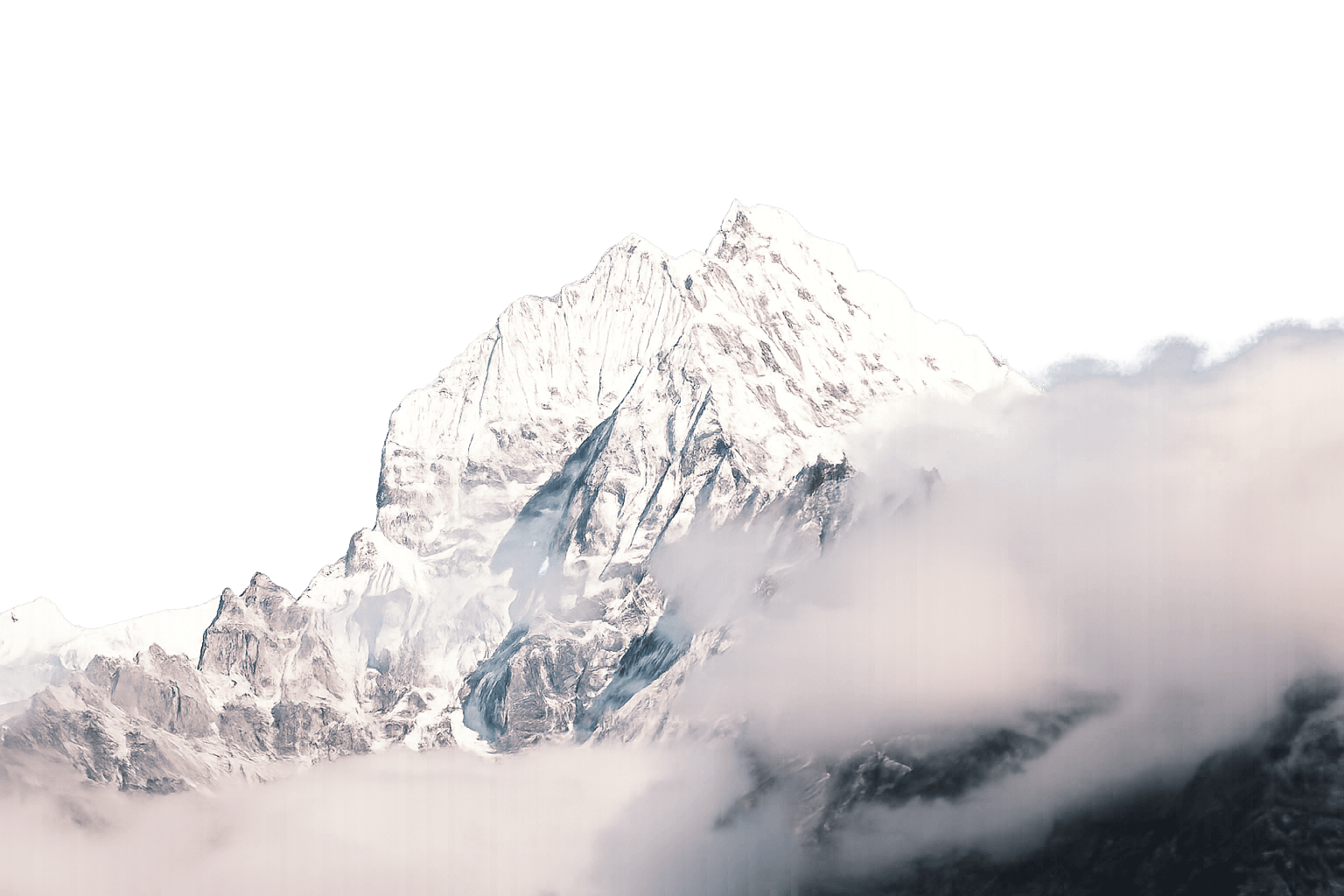
The Lhotse Expedition is a high-altitude climb to 8,516 m in the Himalayas, sharing much of the route with Mount Everest before branching off to a steep, icy final ascent, making it a challenging yet slightly less crowded 8000-meter peak.
Lhotse Expedition
Difficulty
10/10
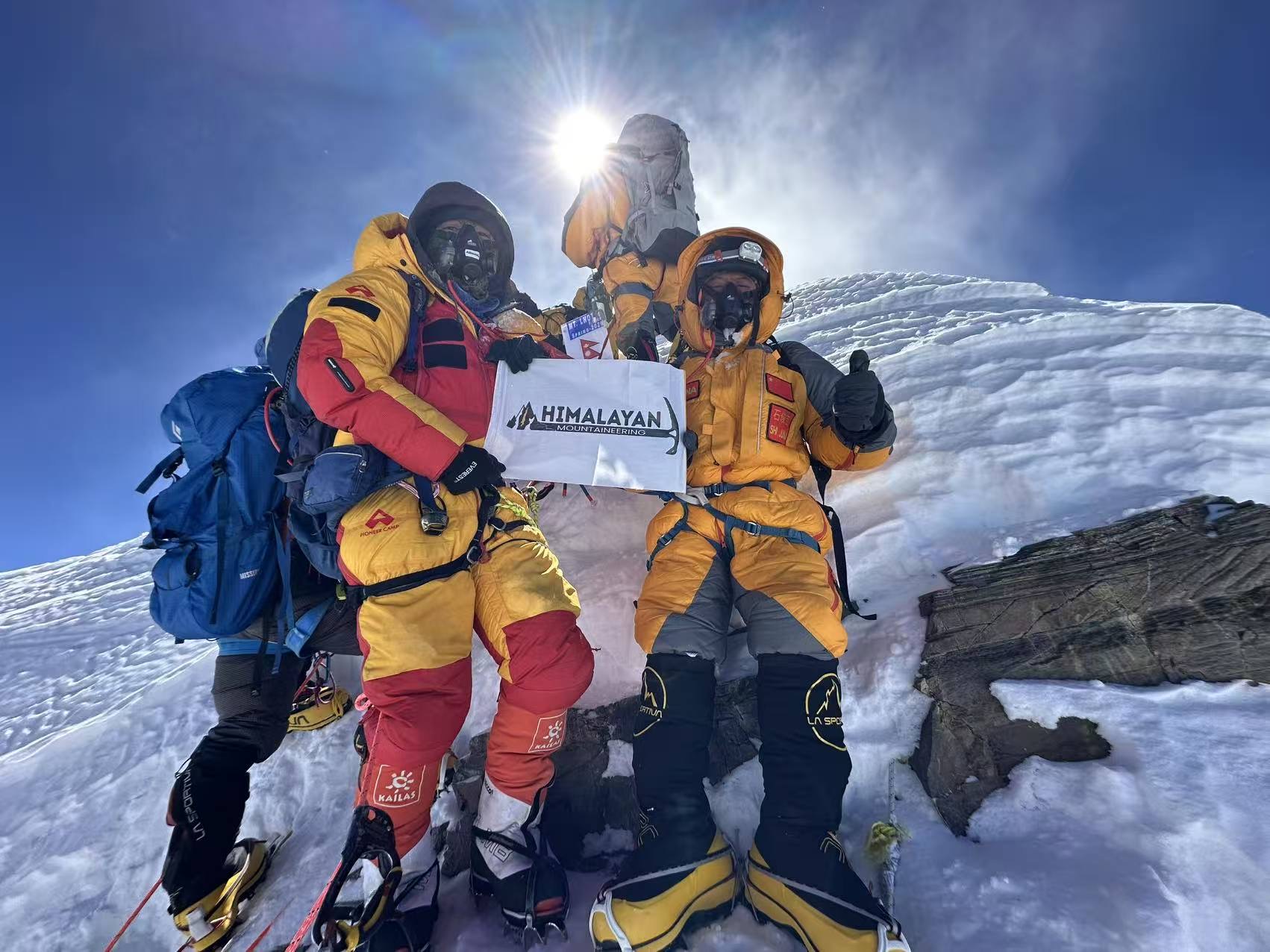
Climbing Lhotse is often misunderstood as a lesser objective sitting in Everest’s shadow. In practice, it is one of the more demanding standard routes among the eight-thousanders: climbers share the Khumbu Icefall and Western Cwm with Everest teams up to Camp 3, and then break away onto steeper, narrower terrain that most Everest climbers never touch. The final couloir to the summit narrows to just four to six metres in places, with pitches up to 60 degrees, and offers almost no room for hesitation at that altitude. Himalayan Mountaineering Expedition builds every Lhotse departure around this reality, with structured acclimatization rotations and dedicated Sherpa support so climbers arrive at each high camp ready for what the mountain asks next.
Activity
Mountaineering
Climbing Lhotse is often misunderstood as a lesser objective sitting in Everest’s shadow. In practice, it is one of the more demanding standard routes among the eight-thousanders: climbers share the Khumbu Icefall and Western Cwm with Everest teams up to Camp 3, and then break away onto steeper, narrower terrain that most Everest climbers never touch. The final couloir to the summit narrows to just four to six metres in places, with pitches up to 60 degrees, and offers almost no room for hesitation at that altitude. Himalayan Mountaineering Expedition builds every Lhotse departure around this reality, with structured acclimatization rotations and dedicated Sherpa support so climbers arrive at each high camp ready for what the mountain asks next.
Best Season
April-May
The best season for the Lhotse Expedition is spring, when the post-winter jet stream lifts clear of the upper Khumbu and stable summit windows typically open through the second half of May, closely mirroring the Everest climbing calendar. Because Lhotse shares its lower route with Everest, spring is also when the Khumbu Icefall route is freshly fixed and maintained each season by the Icefall Doctors, making the approach through this most hazardous section of the climb as safe as it can reasonably be.
Max Elevation
0 meters
The high point of the Lhotse Expedition is 8,516 meters, the summit of Lhotse and the fourth of the world’s fourteen eight-thousanders. Lhotse has three named summits along its long connecting ridge: Lhotse Main at 8,516m, Lhotse Middle at roughly 8,410m, and Lhotse Shar at 8,383m, with Lhotse Main being the objective of this expedition. The final hours above Camp 4 sit inside the death zone, where the air holds roughly a third of the oxygen available at sea level and the body can no longer recover, only deteriorate more slowly with good decisions.
Location
Nepal
Lhotse rises in the Khumbu region of eastern Nepal, inside Sagarmatha National Park, a UNESCO World Heritage Site that runs from pine and rhododendron forest in the mid-hills to permanent ice above 8,000 metres. The mountain sits directly on the Nepal-Tibet border at the head of the Western Cwm, forming the apex of the great horseshoe-shaped arc of the Everest massif alongside Everest itself and Nuptse.
Transportation
flight - Jeep - Helicopter
Transportation for the Lhotse Expedition is fully arranged as part of the package. Climbers are met at Tribhuvan International Airport in Kathmandu and transferred by private vehicle throughout their stay. Depending on the season, the flight to Lukla departs either directly from Kathmandu or via a scenic drive to Ramechhap, a routing change used during the peak spring season to manage domestic air traffic.
Duration
0 Days
From Base Camp, roughly 30 days are reserved for the climbing and summit period, structured around acclimatization rotations through Camp 1, Camp 2, and Camp 3, load-carrying to stock the high camps, and patient waiting for a stable weather window before the final summit push. Contingency days are built into the schedule throughout, because a rushed summit attempt on the Lhotse Face and the Reiss Couloir is exactly how serious accidents happen on this mountain. Every day in this itinerary earns its place
Group Size
1 -15
The Lhotse Expedition is operated in groups of between 4 and 15 climbers, a range chosen to keep logistics efficient on a route shared with Everest traffic without turning the climb into a crowd. Smaller, well-coordinated teams move faster through the Khumbu Icefall and Western Cwm, communicate more clearly during summit-window decisions, and receive closer attention from guides and Sherpa staff than is realistic on a mass-departure expedition.
Accommodation
hotel - Lodge - Tent
At Base Camp, Himalayan Mountaineering Expedition operates a properly equipped expedition setup with a dining tent, kitchen tent, and communication tent, designed to give climbers a real place to recover between rotations rather than just somewhere to sleep. Tents above Base Camp are selected for genuine mountain durability, and every effort is made to balance comfort with the practical limits of operating camps at 6,000 metres and higher on the Lhotse Face.
Price
$0
The Lhotse Expedition price starts from USD 23,000 per person under our standard, fully supported Classic package. This covers core expedition logistics, permits, Base Camp services, climbing support, staffing, and the operational management required to run a professional 48-day expedition on one of the world’s most sought-after eight-thousanders.
Food
Breakfast - Lunch - Dinner
Nutrition is taken seriously on the Lhotse Expedition. Our Base Camp kitchen crew prepares a rotating menu of continental, Nepali, and Tibetan dishes designed around carbohydrates, protein, and hydration, the fuel that actually matters above 5,000 metres. Vegetarian and other dietary requirements can be accommodated; just let us know at least 60 days before departure so our cooks can plan accordingly.
Overview
Lhotse Mountain
One of the most prominent mountains in the Himalayas is Lhotse which is referred to as the fourth highest mountain in the world. It is also a formidable 8,516 meters above the sea level and borders Nepal and Tibet. Because of its location near Mount Everest, Lhotse is often discussed together with the Everest region and the Everest expedition route. Although Everest attracts the world to focus on it, Lhotse is admired as a mountain with beautiful sceneries, sharp slopes, and challenging weather by climbers.
Place and Relationship with Everest.
Lhotse has a very close relationship with Mount Everest in both geographical and historical terms. The two mountains are linked by the South Col, a high mountain pass that is important for climbers during an Everest expedition. Lot of climbers heading to Everest Base camp and other camps in the area can easily observe Lhotse protruding next to Everest. This close connection makes Lhotse an important part of the Everest expedition experience, especially for mountaineers exploring the southern Himalayan route in Nepal.
Due to this connection, the Lhotse has been referred to as the neighboring giant of Everest. Nonetheless, it is not merely a side mountain. It possesses identity, its climbing history, and its difficulties that need high skills, training, and stamina.
Height and Major Summits
Lhotse possesses three major summits and this aspect of the mountain is even more interesting geographically and mountaineering-wise. They are Lhotse Main and Lhotse Shar and Lhotse Middle. The most popular of them is Lhotse Main which is the highest and the point on which people make most reference when they talk about climbing Lhotse.
There are some distinct features in each summit, yet they all comprise a set of dramatic mountains that ascend abruptly above the surrounding glaciers and valleys. The topography of the mountain contributes to its popularity as one of the most difficult summits of the world.
Climbing Difficulty
Lhotse is a mountain that is highly regarded as challenging and technical to explore. While many climbers approach it through routes connected with the Everest expedition path, reaching the summit of Lhotse is still extremely demanding. The mountain is steep and having ice in the upper eras of the mountain which will demand good climbing abilities, equipment and experience in mountain climbing at high altitudes.
The peak part is particularly difficult as the climbers have to overcome narrow passages, solid snow, bare rock, and the adverse weather. This is what makes Lhotse a great challenge of physical power and of psychological will. It is not a mountain that can be climbed by novices and only very well prepared climbers dare to climb its peak.
The South Face of Lhotse
The south face of Lhotse is one of the most interesting characteristics of the mountain. It is a massive vertical wall of rock and ice and is said to be one of the steepest faces of the mountain in the world. It has turned out to be a sign of extreme mountaineering due to its difficulty and danger.
The south face has some of the most experienced climbers that are seeking one of the most challenging experiences in the Himalayas. This is a particularly dangerous area due to harsh weather, unstable ice and technical climbing sections. This is why the south side of Lhotse Expedition has a unique position in the history of climbing the mountain high altitudes.
Significance in Mountaineering.
Lhotse is a significant mountain in the mountaineering arena. Its proximity to Everest means that it is often mentioned in discussions about Himalayan climbing, Everest Base Camp trekking, and the Everest expedition. High altitude climbers who train or expect to explore the high altitude also study both Everest and Lhotse Expeditionsince they are located in the same region and some of the same climbing facilities.
Lhotse is not just a mountain that is respected in regard to heights, but also the respect that it offers the climbers. To the top is regarded as a significant gain and the mountain is frequently regarded as a real challenge of prowess and bravery.
Conclusion
To summarize, Lhotse Expedition is far beyond a mountain that is adjacent to Everest. It is an overwhelming and magnificent summit with high geographical significance and a good standing in the climbing fraternity. It has made it one of the most spectacular mountains on the planet due to its height, technical routes, three summits and massive south face. Its close link with the Everest expedition route adds to its significance, but Lhotse remains a unique and challenging mountain in its own right. Lhotse is an emblem of adventure, of strength, and of extreme beauty of Himalayas to both climbers and mountain lovers.
Explore our journey on Instagram, Facebook & TikTok for photos, videos, and stories
Would you like to ask us in email info@himalayanmountaineering.com.
Itinerary
Day 01:
Arrival in Kathmandu and meet with our representative at the airport and transfer to Hotel. Welcome drink and short briefing about Everest Climbing.
Overnight in Hotel - 1400 meter
Day 02:
Paper work, gear preparation and more briefing about the trip.
Overnight in Hotel – 1400 meter
Day 03:
Full day Sightseeing Trip in Kathmandu Valley with Guide by private car, Overnight in Hotel.
Overnight in Hotel – 1400 meter
Day 04:
Drive to Ramechhap 4 Hour and Fly to Lukla 20 minutes and Trek to Phakding.
Overnight in Lodge – 2800 meter
Day 05:
Trek to Namchey Bazar one of the highest altitude town in the world.
Overnight in Lodge – 3440 meters
Day 06:
Acclimatization day and exploration of Namchey Bazar.
Overnight in Lodge - 3440 meters
Day 07:
Trek to Dibuche
Overnight in Lodge – 3870 meters
Day 08-09:
Trek to Dingboche and Acclimatize for 1 more extra day.
Overnight in Lodge - 4410 meters
Day 10:
Trek to Lobuche
Overnight in Lodge - 4930 meters
Day 11:
Trek to Lhotse Base Camp
Overnight in Tent - 5364 meters
Day 11 - 35:
We will adapt our body in high altitude by climbing to different camps from Camp 1, Camp 2 and Camp 3. In these 30 days we will prepare our self for summit physically, mentally and by being familiar to high altitude and Lhotse. Our base camp crew and guide will help you in identifying problems and train you for the summit. We will also look for our summit window where we will try to reach to the top of Lhotse in these days looking at stable weather. We will decide when we will push for summit in these periods of time. We have calculated extra days and enough time to summit Lhotse in these dates.
Overnight in Tent - 5300 meters – 7300 meters
Day 36:
We will clean our base camp and preapare to descend to Pheriche tomorrow.
Overnight in Tent – 5300 meters
Day 37:
Trek to Periche from Lhotse Base Camp
Overnight in Lodge - 4371 meters
Day 38:
Trek to Namche Bazar
Overnight in Lodge - 3440 meters
Day 39:
Fly toTrek to Lukla
Overnight in Lodge - 2860 meters
Day 40:
Fly to Kathmandu/Ramechhap 20 Minutes and Drive to Kathmandu.
Overnight in Hotel - 1400 meters
Day 41:
Rest Day in Kathmandu and Farwell Dinner
Overnight in Hotel – 1400 meters
Day 42:
After Breakfast Final Departure to International Airport
Route Map
Gear List
1. Base Layers (Moisture-Wicking):
2.Mid Layers (Insulation):
3.Outer Layers (Weather Protection):
4.Down Suit:
5.Gloves:
6.Socks:
7.Headwear:
8.Footwear:
1.Harness:
2.Helmet:
3.Ice axe (1).
4.Ropes:
1.Sleeping Bag:
1.Backpacks:
2.Hydration System:
3.Navigation:
4.Lighting:
5.Personal Items:
1.Snacks and Energy:
2.Cash:
The Team
Our Everest team will be led by experienced Ningma Dorje Tamang who has a big history of climbing the big mountains with an experience of 15 years. Ningma Dorje Tamang is the Co-Founder and Director of Himalayan Mountaineering Expedition with over 15 years of mountaineering experience. He has guided and climbed major peaks including Everest, K2, Annapurna I, and Nanga Parbat. Known for his technical skills, leadership, and endurance, he is a highly respected high-altitude guide in Nepal. There will be other sherpa working under him for each members. There will also be a base camp who will take care of foods, accommodation and hygiene. There will also be team in Kathmandu who will work on weather update, helicopter arrangements and other necessary things.
Packages
Lhotse Classic
$23000
Lhotse Classic
$23000
Payment
Official Booking Confirmation is made only after 20% deposit of the total amount of the Expedition. Please contact us through email or inquiry form so that we can talk and confirm our booking.
FAQ
Lhotse is a serious 8,000 m expedition requiring excellent fitness, previous high-altitude experience, and strong snow-and-ice climbing skills. The upper mountain becomes particularly demanding because of steep terrain, extreme altitude, cold, and exposure.
The standard route follows the Everest South Col route from Everest Base Camp through the Khumbu Icefall, Western Cwm, and Lhotse Face. Above the higher camps, Lhotse climbers separate from the Everest route and continue toward the Lhotse Couloir and summit.
Yes, for much of the expedition. Both routes share the Khumbu Icefall, Western Cwm, and Lhotse Face before separating high on the mountain. Everest climbers continue toward the South Col, while Lhotse climbers turn toward the upper Lhotse route.
The Lhotse Couloir is a steep, narrow gully high on the mountain that provides access toward the summit. It is one of the most technically significant sections of the standard route and can involve hard snow, ice, rock, and exposure depending on conditions.
For most climbers, it should not be treated as an introductory 8,000er. Previous experience on 6,000 m and 7,000 m peaks, combined with strong technical skills and ideally previous 8,000 m exposure, provides much better preparation.
Gallery
Trip Inquiry
Search another peak or departure, or send your questions, preferred dates, group size, and expedition requirements — our team will get back to you.
Not sure which peak? Browse all expeditions or send us a message and we'll recommend one.