Loading
Preparing your Himalayan journey
Nuptse Expedition
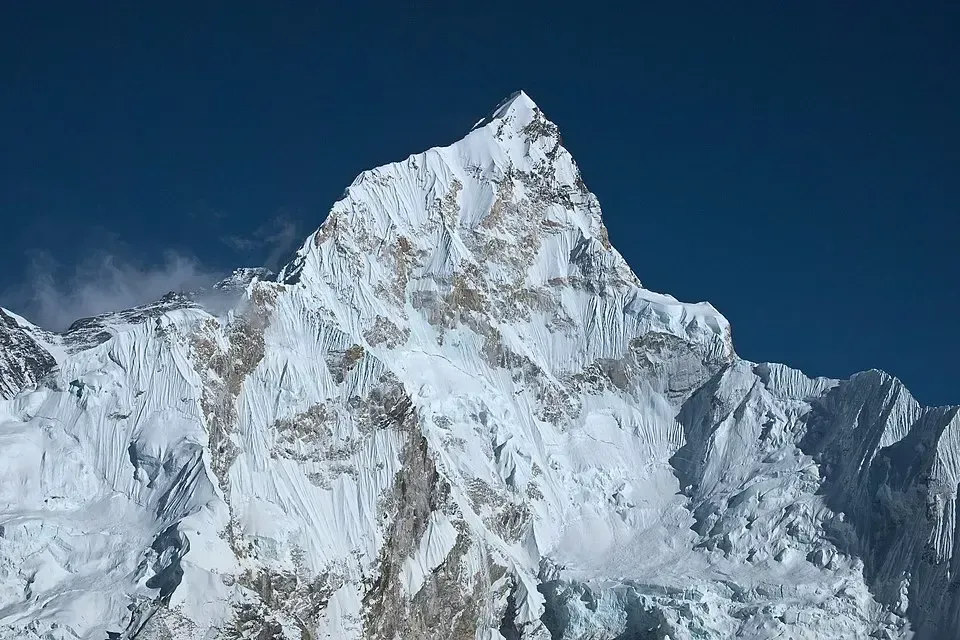
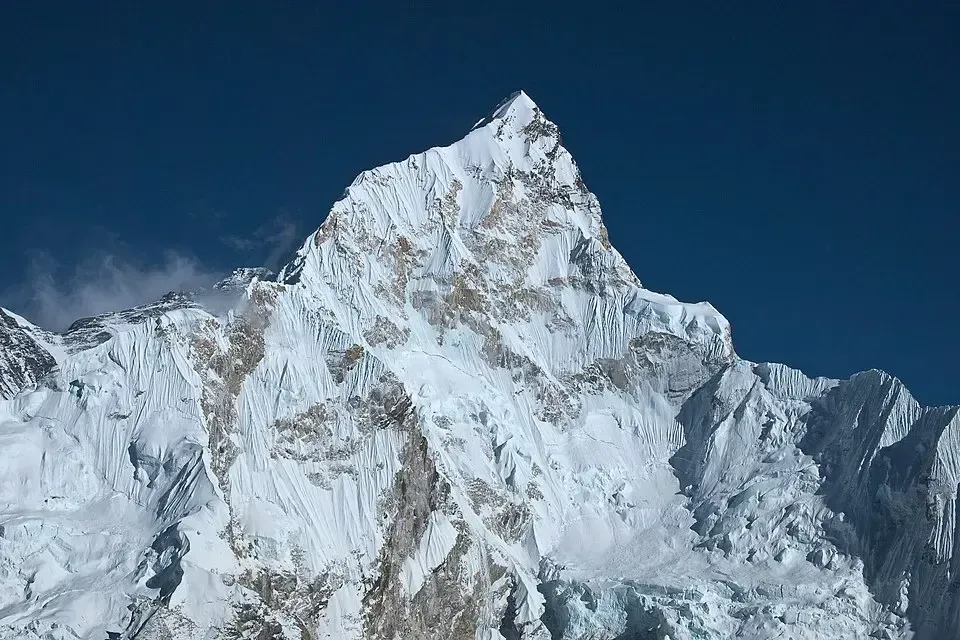
The Nuptse Expedition is a fully supported 35-day mountaineering expedition to the 7,861m summit of Nuptse, one of the Himalaya’s most respected technical 7,000m peaks. The journey follows the classic Everest approach through the Khumbu Valley before establishing Nuptse Base Camp and completing a structured multi-camp ascent via the North Ridge (Scott Route). Designed for experienced climbers, the expedition combines technical mixed climbing, professional Sherpa support, and a carefully planned acclimatization strategy.
Nuptse Expedition
Difficulty
8/10
Nuptse is widely regarded as one of Nepal’s most technical 7,000m peaks, featuring steep snow and ice slopes, exposed ridges, mixed climbing terrain, and demanding high-altitude conditions that require strong alpine climbing skills and previous mountaineering experience.
Activity
High-Altitude Mountaineering
The Nuptse Expedition combines an Everest region trek with demanding technical climbing on rock, snow, and ice. The North Ridge (Scott Route) requires advanced alpine skills and high-altitude experience to navigate fixed ropes, glaciers, ladder crossings, and exposed terrain above 7,000 meters.
Best Season
April-May / Sept-Oct
Spring (April–May) and Autumn (September–November) offer the most stable weather conditions, lower avalanche risk, and the best opportunities for a successful ascent. Spring is preferred for firmer snow conditions, while autumn provides clearer skies and quieter trails.
Max Elevation
0 meters
The expedition targets the summit of Nuptse (7,861m), the formidable western wall of the Everest-Lhotse-Nuptse massif. The final ascent is technically and physically demanding, requiring sustained mixed climbing, steep snow and ice, and a highly exposed summit ridge at extreme altitude.
Location
Nepal
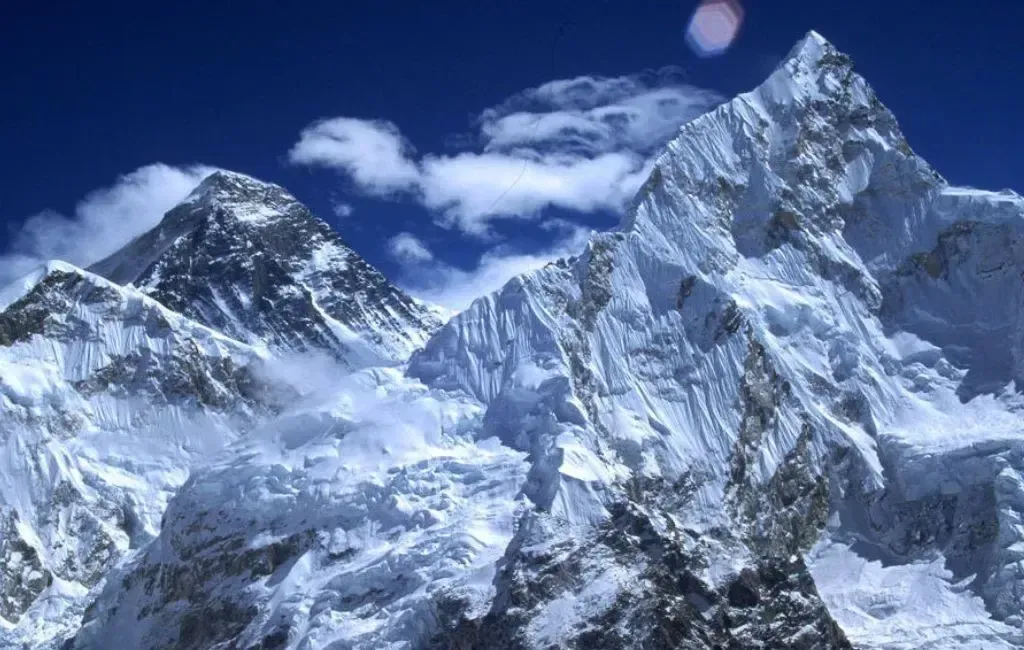
Khumbu Region, Sagarmatha National Park, Nepal — Everest Massif 27.96° N, 86.89° E Nuptse lies in the Mahalangur Himal of Nepal’s Khumbu region, forming the western wall of the Everest–Lhotse–Nuptse massif, approximately 2 km southwest of Mount Everest.
Transportation
Helicopter - Flight - Jeep - Trek
Transportation is fully arranged throughout the expedition, including private airport transfers in Kathmandu, a domestic flight from Kathmandu to Lukla, and helicopter support for the return from Base Camp to Lukla when route and weather conditions permit.
Duration
0 Days
The itinerary allows sufficient time for the Everest Region approach trek, acclimatization, technical training, multi-camp rotations, weather contingency, summit push, and return to Kathmandu.
Group Size
2-8
The expedition operates with small, focused teams to provide closer guide-to-climber attention, efficient movement on technical terrain, and personalized supervision from the experienced Sherpa team.
Accommodation
Hotel - Lodge - Tent
Accommodations span 4-5 star Kathmandu hotels, established trek teahouses (Phakding to Lobuche), and high-durability expedition tents on the mountain. Base Camp provides a fully serviced setup
Price
$0
Our 35-day guided Nuptse Expedition starts at USD 14,000 per person for a fully supported package covering logistics, permits, staff, and camp services. Custom itineraries, private departures, and group discounts (4+ climbers) are available upon request.
Food
Breakfast - Lunch - Dinner
Breakfast, lunch, dinner, tea, coffee, and filtered water are provided throughout the trek, at Base Camp, and during the climb. Our Base Camp kitchen prepares a rotating menu of continental, Nepali, and Tibetan dishes built around carbohydrates, protein, and hydration. Dietary requirements can be accommodated with 45 days' notice.
Overview
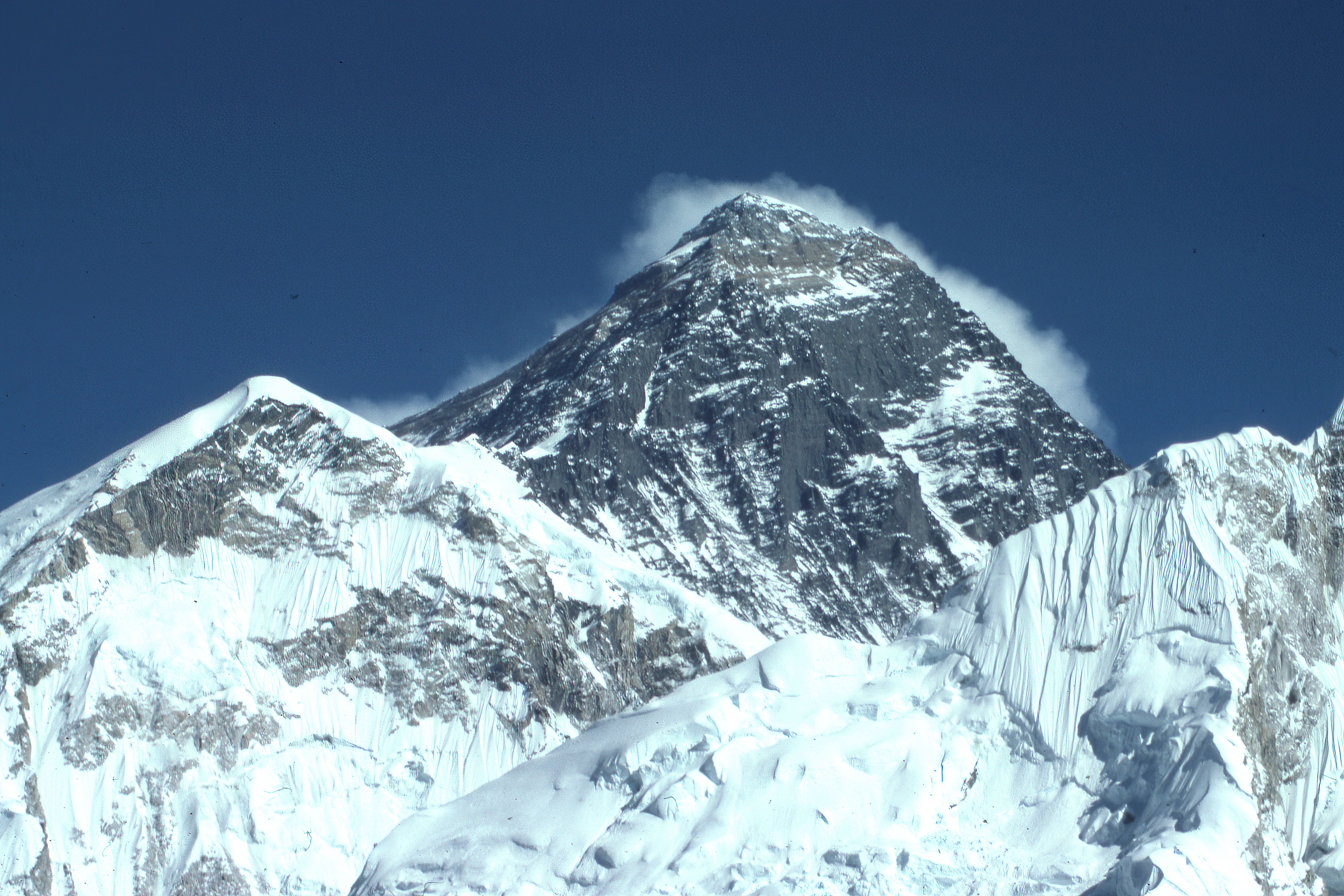
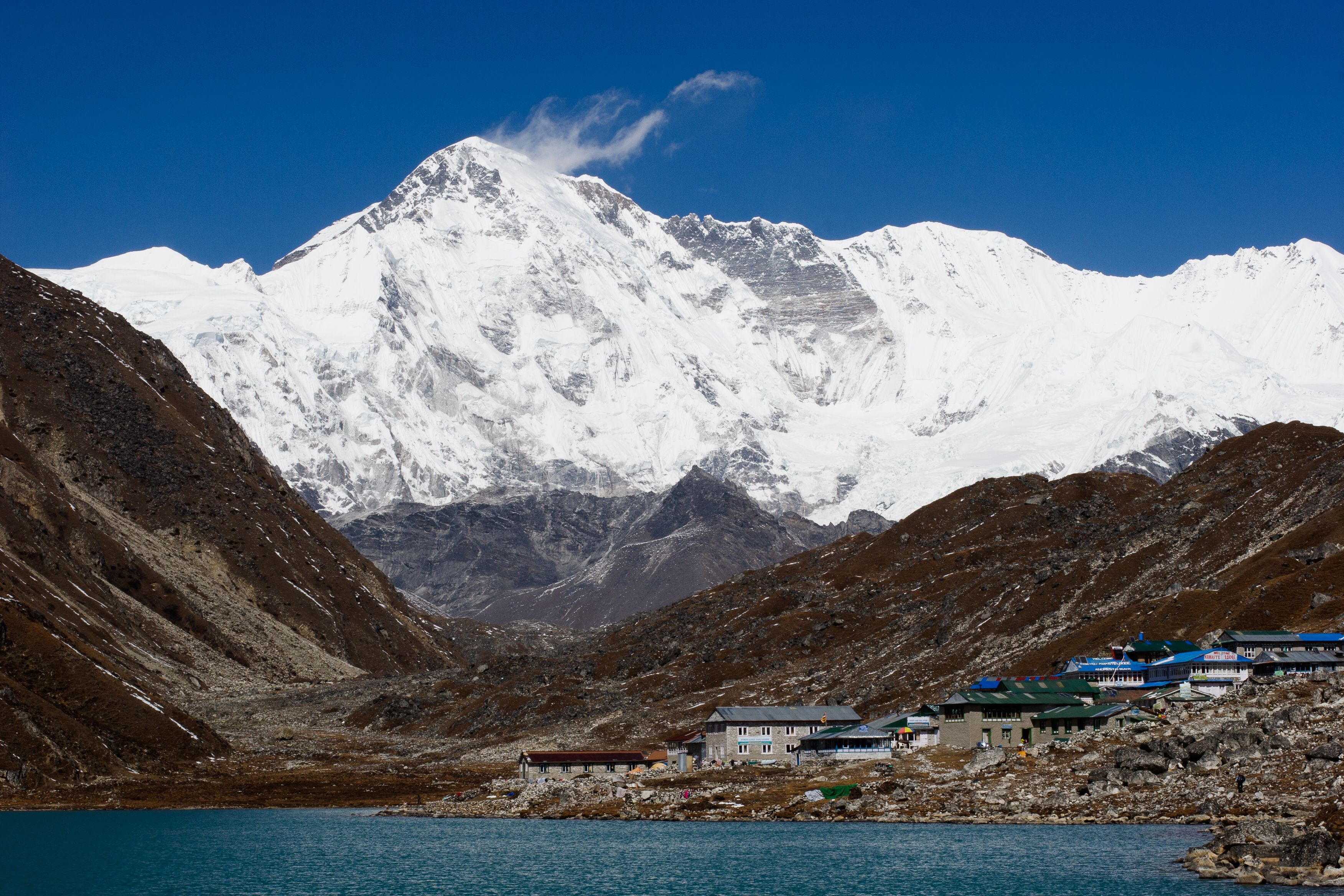
Nuptse (7,861m) forms the western wall of the Everest–Lhotse–Nuptse massif in the Mahalangur Himal, and although it stands in the shadow of its far more famous neighbour, climbers who have attempted its ridges know it commands respect in its own right. Its Tibetan name simply means “West Peak,” marking its position southwest of Everest, yet its sheer scale — a west face dropping over 2,300 metres to the Khumbu Glacier and a 2,500-metre south face — makes it one of the most visually dramatic walls in the entire Everest region. The main ridge itself contains seven distinct summits.
Nuptse was first climbed on 16 May 1961 by Dennis Davis and Sherpa Tashi, members of a British expedition led by Joe Walmsley that also included the legendary Sir Chris Bonington, who reached the summit the following day. The team climbed the North Ridge, a line now known as the Scott Route, which remains the standard approach used by expeditions today. Because the true main summit is exceptionally technical and rarely climbed, most guided ascents, including ours, target the mountain's West Summit, itself a serious high-altitude mountaineering objective.
For accomplished climbers who have already completed a 6,000m or 7,000m peak and want a credible, technically rigorous next step toward an 8,000m objective such as Everest or Lhotse, Nuptse remains one of the most respected training and proving grounds in the Himalaya, precisely because it demands real climbing skill rather than altitude endurance alone.
The approach to Nuptse follows the same storied trail used by generations of Everest climbers and trekkers, through Sagarmatha National Park, a UNESCO World Heritage Site protecting some of the most dramatic mountain scenery on Earth. Climbers pass through Namche Bazaar, the bustling Sherpa capital of the Khumbu, the cliff-top Tengboche Monastery with its sweeping views of Ama Dablam and the Everest massif, and the high, wind-scoured settlements of Dingboche and Lobuche.
This is Sherpa homeland, and the trail is rich with prayer flags, mani walls, chortens, and monasteries that mark centuries of Tibetan Buddhist tradition woven into daily mountain life. That cultural depth, paired with some of the finest mountain panoramas in Nepal, is part of what makes the trek to Nuptse Base Camp a remarkable journey in its own right, independent of the technical climb that follows.
Getting to Nuptse Base Camp begins with a scenic mountain flight from Kathmandu to Lukla, followed by a well-established trekking route through Phakding and Namche Bazaar, with a dedicated acclimatization day built in before continuing on through Tengboche, Dingboche, and Lobuche.
From Lobuche, the expedition leaves the main Everest Base Camp trail and heads toward a dedicated Nuptse Base Camp at approximately 5,300 to 5,400 metres, set below the mountain's northern face at a location chosen for safety from icefall and avalanche hazard. Here, our full expedition crew establishes the climbing operation for the technical period ahead.
The Nuptse Expedition follows the North Ridge, the historic Scott Route first climbed in 1961 and still the standard line used by the small number of expeditions that attempt this mountain each year. The lower approach shares terrain with the classic Everest South Col route, crossing the Khumbu Icefall before the route diverges toward Nuptse's own ridge system.
Above Base Camp, the climb progresses through a structured high-camp system: Camp 1 on the glacier or lower ridge at approximately 5,800 to 6,000 metres, Camp 2 on more technical rock and ice terrain at approximately 6,400 to 6,500 metres, and Camp 3 established higher on the mountain, generally above 6,900 metres, as the final staging point for the summit push.
The upper mountain is where Nuptse earns its reputation: sustained steep snow and ice, sections of exposed rock and mixed climbing, and a narrow, corniced summit ridge that demands careful rope-work and sound judgment at extreme altitude. Summit day is long, technical, and unforgiving of poor pacing, which is why Himalayan Mountaineering Expedition insists on a conservative, weather-driven approach rather than a fixed departure date.
On arrival at Base Camp, Himalayan Mountaineering Expedition runs a full technical training and equipment-check program before any climber moves onto the mountain. This includes:
Insurance must cover:
In an emergency, Himalayan Mountaineering Expedition will arrange helicopter rescue immediately. All rescue and evacuation costs are the responsibility of the climber or their insurance provider.
We follow strict environmental practices — waste management, garbage removal, and responsible operations — in accordance with Sagarmatha National Park regulations and Leave No Trace principles.
A mountain peak in the Himalayas.
The mountain Nuptse is one of the most beautiful and powerful of Nepal. It is a very special peak due to its great height, steep shape and impossibility of climbing up because of its steep climbs. Although it is not as well known as Everest, it is very revered among climbers.
Its location near Everest and its role in the Everest expedition journey make Nuptse very important in the Himalayas. It is an amazing mountain to view by the visitors. It is a skill, courage and experience challenge to the climbers.
Explore our journey on Instagram, Facebook & TikTok for photos, videos, and stories
Would you like to ask us in email info@himalayanmountaineering.com.
Itinerary
Day 01: Arrival in Kathmandu (1,400m)
Our representative meets you at Tribhuvan International Airport and transfers you to the hotel.
A welcome briefing introduces the Nuptse Expedition structure, team introductions, and the schedule ahead.
Overnight: Hotel — 1,400m
Day 02: Expedition Preparation & Permit Briefing (1,400m)
Official briefing on climbing permits, followed by a full gear inspection with your climbing guide and team.
Time to visit Kathmandu's gear shops for any final supplies before heading into the mountains.
Overnight: Hotel — 1,400m
Day 03: Fly to Lukla & Trek to Phakding (2,610m)
A scenic 30-minute mountain flight to Lukla, followed by a 3 to 4-hour trek along the Dudh Koshi River to Phakding.
Overnight: Lodge — 2,610m
Day 04: Trek to Namche Bazaar (3,440m)
A 6 to 7-hour trekking day crossing several suspension bridges and passing through Monjo, the entry point to Sagarmatha National Park, before a steep climb to Namche Bazaar.
Overnight: Lodge — 3,440m
Day 05: Acclimatization Day in Namche Bazaar (3,440m)
An acclimatization hike toward Everest View Hotel or Khumjung village, with time to explore Sherpa museums, bakeries, and culture.
Overnight: Lodge — 3,440m
Day 06: Trek to Tengboche (3,867m)
A 5 to 6-hour trek through rhododendron forest with sweeping views of Ama Dablam, Everest, and Nuptse, visiting the famous Tengboche Monastery.
Overnight: Lodge — 3,867m
Day 07: Trek to Dingboche (4,410m)
Descend to Debuche, cross the Imja Khola, and trek up through Pangboche to reach Dingboche, a 5 to 6-hour trekking day.
Overnight: Lodge — 4,410m
Day 08: Acclimatization Hike to Nagarjun Hill (5,100m)
A dedicated altitude-training hike to Nagarjun Hill for excellent panoramic views, followed by a return to Dingboche to rest.
Overnight: Lodge — 4,410m
Day 09: Trek to Lobuche (4,910m)
A 5 to 6-hour trek via Thukla Pass, passing memorials to climbers who lost their lives on Everest, before a short, steady climb to Lobuche.
Overnight: Lodge — 4,910m
Day 10: Trek to Nuptse Base Camp (~5,300–5,400m)
Leaving the main Everest Base Camp trail, the route heads toward a dedicated Nuptse Base Camp set below the mountain's northern face.
Our full expedition crew establishes camp, and the climbing team briefs the group on the technical period ahead.
Overnight: Tent — ~5,300–5,400m
Day 11–12: Base Camp Acclimatization & Technical Training (~5,300–5,400m)
Two full days dedicated to rest, equipment checks, and technical training in fixed-rope ascending and descending, ladder crossing, and crevasse rescue procedures.
Overnight: Tent — ~5,300–5,400m
Day 13–30: Climbing Period — Summit Nuptse (5,400m – 7,861m)
This 18-day window forms the heart of the expedition: structured acclimatization rotations through Camp 1 (~5,800–6,000m), Camp 2 (~6,400–6,500m), and Camp 3 (~6,900m+); load-carrying to stock the high camps; continuous weather monitoring; and the final summit push when conditions and team readiness align.
Summit day involves sustained technical climbing on mixed rock, snow, and ice along a narrow, often corniced ridge, followed by a careful, well-paced descent back to Camp 2 or directly to Base Camp.
Overnight: Tent — 5,400m to 7,861m
Day 31: Clean Up Base Camp (~5,300–5,400m)
Dismantle tents, clear all garbage, and pack expedition equipment, leaving Base Camp fully eco-friendly and clean.
Overnight: Tent — ~5,300–5,400m
Day 32: Descend to Lukla (2,860m)
Depending on route conditions, descend by trekking or by helicopter directly from Base Camp to Lukla, celebrating the completion of the climb with the full team.
Overnight: Lodge — 2,860m
Day 33: Fly to Kathmandu (1,400m)
A scenic morning flight back to Kathmandu, with time to rest and properly shower for the first time in weeks.
Overnight: Hotel — 1,400m
Day 34: Rest / Contingency Day in Kathmandu & Farewell Dinner (1,400m)
A free day for recovery, shopping, and sightseeing, followed by a farewell dinner with the Himalayan Mountaineering Expedition team to celebrate the climb.
Overnight: Hotel — 1,400m
Day 35: Final Departure (—)
Transfer to Tribhuvan International Airport for onward international travel. This concludes the Nuptse Expedition.
This itinerary follows a gradual, deliberately structured progression to support acclimatization, technical preparation, and safe mountain movement throughout. All timings are subject to weather, route conditions, and team performance. Every stage is planned around the safest, most effective path to a successful ascent of Nuptse.
Stand on one of the Himalaya's most technically demanding 7,000-metre summits, with Everest and Lhotse rising close enough to touch — the summit of Nuptse.
Gear List
Climbing a technical 7,000m-plus peak like Nuptse demands the right equipment, not just the right fitness. The checklist below covers the essential personal gear and clothing for the Nuptse Expedition. Our Kathmandu-based guides review every climber's kit before departure and can help arrange rental equipment for hard-to-source technical items.
Note: Supplemental oxygen, masks, regulators, tents, group climbing gear, kitchen equipment, and communication devices are provided by Himalayan Mountaineering Expedition as part of the package and do not need to be carried by climbers.
The Team
Our Everest team will be led by experienced Ningma Dorje Tamang who has a big history of climbing the big mountains with an experience of 15 years. Ningma Dorje Tamang is the Co-Founder and Director of Himalayan Mountaineering Expedition with over 15 years of mountaineering experience. He has guided and climbed major peaks including Everest, K2, Annapurna I, and Nanga Parbat. Known for his technical skills, leadership, and endurance, he is a highly respected high-altitude guide in Nepal. There will be other sherpa working under him for each members. There will also be a base camp who will take care of foods, accommodation and hygiene. There will also be team in Kathmandu who will work on weather update, helicopter arrangements and other necessary things.
Packages
Budget
$14,000
Fully customized arrangements — private departures, extended acclimatization, tailored summit strategies — are available on request, along with group discounts for private teams of four or more.
Budget
$14,000
Fully customized arrangements — private departures, extended acclimatization, tailored summit strategies — are available on request, along with group discounts for private teams of four or more.
Booking
Official Booking Confirmation is made only after 20% deposit of the total amount of the Expedition. Please contact us through email or inquiry form so that we can talk and confirm our booking.
Gallery
Trip Inquiry
Search another peak or departure, or send your questions, preferred dates, group size, and expedition requirements — our team will get back to you.
Not sure which peak? Browse all expeditions or send us a message and we'll recommend one.