Safety Tips for a Successful Mountaineering Expedition in Nepal
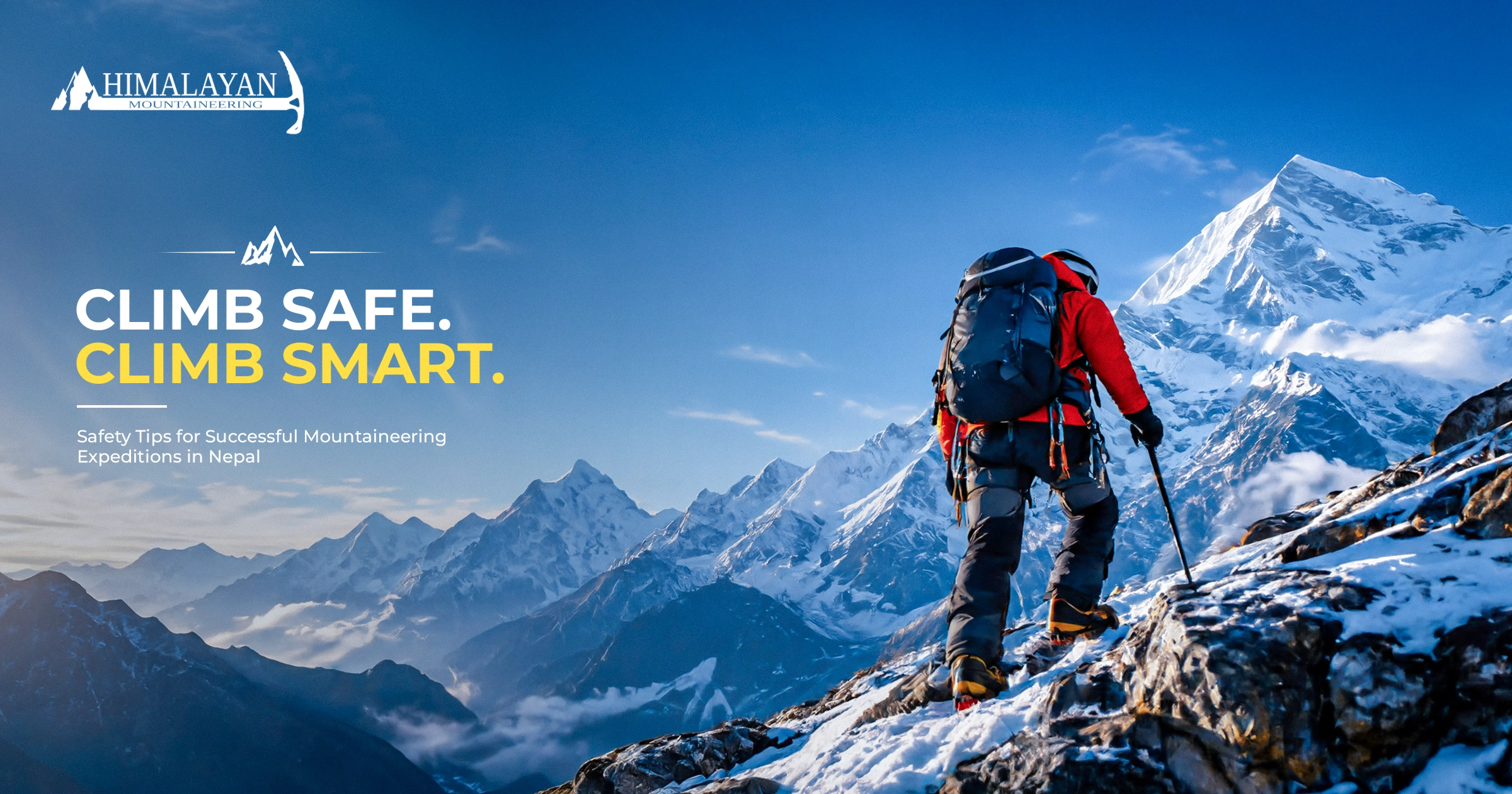
For many climbers across the globe, going on a Mountaineering Expedition in Nepal is an aspiration. Nepal has a great number of versatile mountains suitable for climbers, from easy trekking peaks to tough Himalayan peaks. Even though these mountains are stunningly beautiful and adventurous, they involve certain preparations, respect and being aware of safety protocols.
Whether you are going for your first Mountaineering Expedition in Nepal or have prior climbing experience, knowing safety practices is beneficial. Success in the mountain is not only reaching the peak, but also making right decisions and coming back home safe.
Proper Planning Before Your Adventure
Before reaching the mountain, there are many steps to take for a successful Mountaineering Expedition in Nepal. Strength and fitness are important in determining performance and ensuring safety.
Preparation should include the following:
- Cardio training
- Weight training
- Hiking with a pack
- Long hiking days
- Psychological readiness
Being prepared for your Mountaineering Expedition will increase comfort and ease of the experience when conditions get tougher at elevation.
Understanding High-altitude Obstacles
Altitude sickness is one of the main challenges encountered during a Mountaineering Expedition in Nepal. As climbers climb higher, the air gets thinner, making it difficult for the body to function.
Some of the most common signs of altitude sickness are:
- Headaches
- Nausea
- Lightheadedness
- Decreased appetite
- Tiredness
Those who are part of a Mountaineering Expedition in Nepal must recognize the symptoms and make sure to talk about them right away.
Adhere to Proper Acclimatization
Acclimatization is important for safe climbing. Most professional expedition plans have specified rest days and rotational climbs for progressive acclimatization. They also follow the "climb high and sleep low" principle. While climbing in mountains in Nepal, climbers use this method. It helps the body to adapt to the altitude and diminish the risk of altitude sickness. Patience is the weapon of mountain climbing. The faster one completes the acclimatization process, the more likely one is to face danger.
Appropriate Equipment is Important for Climbing
Proper equipment in mountaineering expeditions in Nepal is super important. First, inspect the equipment before going to the mountains.
Key equipment for climbing includes:
- Climbing boots
- Climbing helmet
- Climbing harness
- Ice screws
- Safety axes
- Warm jackets
- Gloves
- Flashlights
A prepared climber is likely to handle the weather and terrain during a climbing expedition in Nepal.
Monitor Weather Conditions
Weather in the Himalayas can change quickly. Sunny mornings can turn into snowy or windy afternoons in a matter of hours.
Before and during a Mountaineering Expedition in Nepal, check forecasts regularly and follow the advice of the guides and expedition leaders. Sometimes it is better to turn back or wait for a better time.
Good judgment is often more important than physical strength in the mountains.
Stay Hydrated and Energized
Hydration and nutrition are frequently ignored, yet they are crucial during a Mountaineering Expedition in Nepal.
At high altitude, the body loses fluids faster. This means that climbers need to drink water frequently throughout the day and eat sufficient calories to keep their energy up.
By practicing simple habits like drinking water often and eating regular meals, climbers can boost performance and help their acclimatization efforts.
Climb With Experienced Guides
Choosing a reputable company for your Mountaineering Expedition in Nepal can play an important role in successful climbing. Experienced guides are well acquainted with mountain conditions, weather patterns, and are able to plan the optimum route.
Guides help climbers to make the right choice and react quickly to unexpected situations. Their knowledge and experience contributes to the general safety of the expedition.
Know When to Turn Back
One of the most important lessons of mountaineering is realizing that reaching the top is optional, while returning home safely is obligatory.
There are many factors that may require climbers to turn back during the Mountaineering Expedition in Nepal: bad weather or health problems. Turning back should never equal defeat.
Many climbers were able to reach great heights after abandoning the attempt to summit the mountain because the weather got worse.
Communicate With Your Team
Good communication is very important for safety during the Mountaineering Expedition in Nepal. The climbers must inform each other about their health and energy levels and any concerns they may have.
This helps to solve problems more quickly.
Why Choosing Himalayan Mountaineering is the Best Option for Your Mountaineering Expedition in Nepal
In order for a Mountaineering Expedition in Nepal to be successful, experienced leadership, reliable logistics and high safety standards are key factors. Himalayan Mountaineering is focused on high altitude climbing and mountaineering expeditions in the Himalayas, ensuring that climbers are prepared for their expedition goals. Having the knowledgeable guides, precise itineraries, right acclimatization schedules, as well as other important expedition assistance, the company helps climbers to realize their mountain aspirations. Whether you are climbing a trekking peak or a principal summits of the Himalayas, you are offered wide-ranging support from professionals and local experts in the process of climbing.
In conclusion, a mountaineering expedition in Nepal can prove to be a thrilling endeavor with previously unheard-of mountain experiences. Nonetheless, it is vital to remember to prioritize safety first. Factors such as training and practice, acclimatization, weather awareness, the quality of equipment being used, as well as team work all help towards achieving a successful expedition.
Whether you are going to visit trekking peaks or working on a major mountaineering challenge in the Himalayas, being adroit in the matters of safety can help to make your expedition more enjoyable.
FAQs
What makes Nepal a popular destination for mountaineering expeditions?
There are well-known peaks in Nepal, thus creating diversified climbing routes that give Nepal a long history of Himalayan mountaineering.
How should one prepare for a mountaineering expedition in Nepal?
The example of training associated with physical fitness, endurance training, as well as hiking experience and learning mountaineering basics needs to be taken into account.
What is the most dangerous aspect of a mountaineering expedition in Nepal?
Altitude sickness is known to be one of the toughest challenges climbers experience on high altitudes.
Is it necessary to have a guide during the Mountaineering Expedition in Nepal?
It is advisable to hire a guide for almost all climbing expeditions in order to ensure the highest degree of safety and provide logistical support.
What is the most suitable season for Mountaineering Expedition in Nepal?
People prefer to choose spring or autumn as the appropriate periods due to favorable weather conditions.