Mountaineering Expedition 2027: Complete Guide to Climbing in Nepal
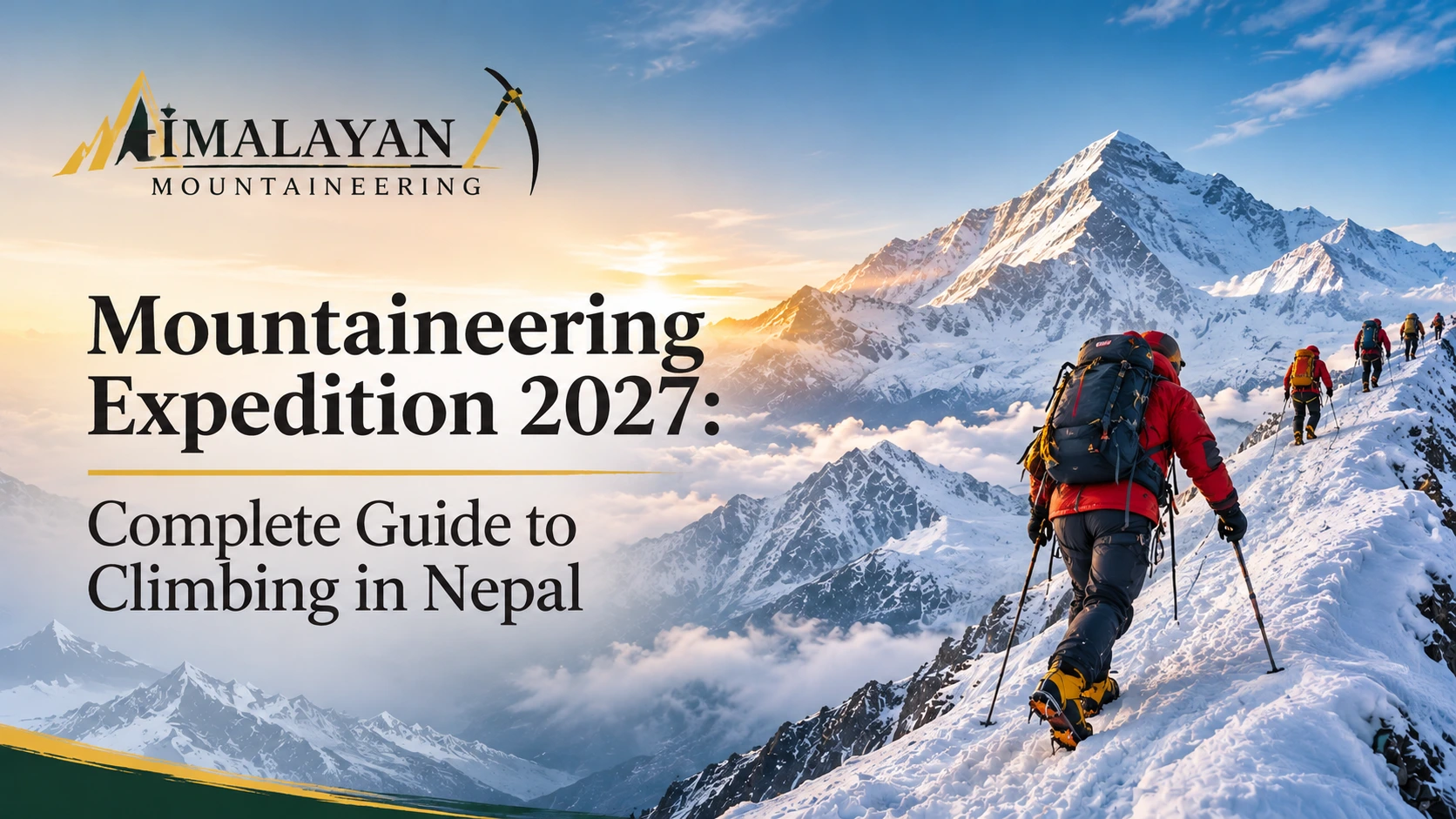
Nepal is one of the world's most popular destinations for mountaineering. Home to the Himalayas and some of the highest mountains on Earth, the country attracts climbers who want to experience challenging climbs and unforgettable mountain adventures.
A Mountaineering Expedition 2027 is an opportunity to explore Nepal's famous peaks, improve climbing skills, and challenge yourself at high altitudes. From technical 6,000-metre peaks to demanding 8,000-metre mountains, Nepal offers climbing opportunities for experienced mountaineers with different levels of high-altitude experience.
If you are planning an expedition in 2027, understanding the best climbing seasons, popular peaks, preparation, equipment, and safety requirements will help you plan your journey.
Why Choose Nepal for a Mountaineering Expedition?
Nepal offers some of the most recognised mountaineering destinations in the world. The country is home to Mount Everest, Mount Manaslu, Mount Lhotse, and many other famous Himalayan peaks.
A mountaineering journey in Nepal offers more than reaching a summit. Climbers experience beautiful mountain landscapes, glaciers, remote valleys, traditional villages, and local Himalayan culture.
Nepal also offers different climbing challenges, including:
- 6,000m peaks for developing mountaineering experience
- 7,000m peaks for advanced high-altitude preparation
- 8,000m peaks for experienced expedition climbers
- Technical climbing routes involving rock, snow, and ice
Popular Peaks for Mountaineering Expedition 2027
Choosing the right mountain is one of the most important decisions when planning an expedition. Your climbing experience, physical fitness, technical skills, and personal goals should guide your choice.
1. Everest Expedition – 8,848.86m
Mount Everest is the highest mountain in the world and a major goal for many experienced mountaineers. The standard route from Nepal follows the South Col route, passing through several high-altitude camps before the summit.
An Everest expedition requires extensive preparation, previous high-altitude experience, acclimatization, and a well-organised support team.
2. Manaslu Expedition – 8,163m
Mount Manaslu is the eighth-highest mountain in the world. Located in the Mansiri Himal range, it is known for its impressive mountain scenery and challenging climbing conditions.
The standard climbing route follows the Northeast Face and Northeast Ridge. Climbers need strong physical fitness, technical skills, and experience at high altitude.
3. Lhotse Expedition – 8,516m
Mount Lhotse is the fourth-highest mountain in the world and shares part of its route with Everest up to the South Col. Its upper climbing section is steep and demanding.
The Lhotse Expedition is suitable for experienced climbers who are prepared for technical climbing and extreme high-altitude conditions.
4. Ama Dablam Expedition – 6,812m
Ama Dablam is one of Nepal's most recognisable mountains. It is famous for its beautiful shape and technical Southwest Ridge climbing route.
Although it is lower than many 8,000m peaks, Ama Dablam requires strong technical climbing ability, including experience with rock, snow, and ice.
5. Baruntse Expedition – 7,129m
Baruntse is a popular choice for experienced climbers interested in a 7,000m Himalayan peak. The mountain involves glacier travel, snow slopes, and challenging high-altitude conditions.
It can also help suitable climbers develop experience before considering a more demanding expedition.
Best Time for Mountaineering in Nepal in 2027
Choosing the right season is essential for a successful Himalayan climb. Spring and autumn are the main mountaineering seasons in Nepal.
Spring (March to May): Spring is a popular season for climbing several Himalayan peaks. Weather conditions can offer suitable climbing windows, although temperatures, snowfall, and route conditions vary by mountain.
Autumn (September to November): Autumn is another important climbing season. September and October are commonly selected for expeditions, depending on the mountain and weather conditions.
The best time for a Mountaineering Expedition 2027 depends on the selected peak, route, snow conditions, and current weather forecasts.
How to Prepare for a Mountaineering Expedition 2027
Proper preparation is important before attempting any Himalayan mountain. Climbers should begin physical and technical training several months before departure.
Important preparation activities include:
- Cardiovascular training through running, cycling, and hiking
- Strength training for legs, core, and upper body
- Long-distance hikes with a weighted backpack
- Practising with crampons, ice axes, and climbing harnesses
- Learning glacier travel and rope techniques
- Developing previous high-altitude climbing experience
- Preparing mentally for long climbing days and changing weather
For higher mountains, previous experience on challenging peaks is strongly recommended.
Essential Mountaineering Equipment
The right equipment helps climbers manage cold temperatures, snow, ice, and challenging mountain conditions.
Common equipment includes:
- Mountaineering boots and crampons
- Ice axe and climbing harness
- Helmet and climbing ropes
- Down suit and insulated jacket
- Thermal base layers
- Waterproof and windproof clothing
- High-altitude sleeping bag
- Gloves, goggles, and headlamp
- Backpack and personal climbing accessories
Equipment requirements depend on the mountain, route, season, and expedition plan.
Safety and Acclimatization During the Expedition
High-altitude climbing involves risks such as altitude sickness, frostbite, extreme cold, avalanches, and rapidly changing weather. Proper acclimatization is essential to help the body adjust to lower oxygen levels.
Climbing teams generally follow a planned acclimatization schedule, which may include gradual altitude gain and rotations between camps. Climbers should report symptoms of altitude sickness and follow their expedition leader's instructions.
Weather monitoring, communication, emergency planning, and appropriate climbing support are also important for mountain safety.
Why Choose Himalayan Mountaineering?
Himalayan Mountaineering offers mountaineering expeditions and high-altitude climbing experiences across Nepal. Its programs cover a range of Himalayan peaks, from technical climbing objectives to major 8,000-metre expeditions.
The company helps climbers with expedition planning, route arrangements, logistics, acclimatization schedules, and climbing support. Whether you are considering Everest, Manaslu, Lhotse, Ama Dablam, or Baruntse, choosing a suitable expedition plan is an important step.
Before booking, discuss your previous climbing experience, fitness level, preferred mountain, itinerary, equipment, and safety arrangements with the expedition team.
Conclusion
A Mountaineering Expedition 2027 in Nepal can be a rewarding challenge for climbers who want to explore the Himalayas and achieve new mountaineering goals. From technical peaks such as Ama Dablam to major mountains like Everest, Manaslu, and Lhotse, Nepal offers a wide range of climbing opportunities.
Start preparing early, choose a mountain that matches your experience, develop your technical skills, and plan your expedition with an experienced team.
With proper preparation and careful planning, your 2027 Himalayan climbing journey can become an unforgettable mountain experience.
Frequently Asked Questions
1. What is a mountaineering expedition?
A mountaineering expedition is an organised mountain-climbing journey that involves route planning, physical preparation, technical climbing, acclimatization, and support arrangements.
2. Which are the best mountains to climb in Nepal in 2027?
Popular choices include Everest, Manaslu, Lhotse, Ama Dablam, and Baruntse. The right mountain depends on your experience, fitness, and climbing goals.
3. What is the best season for mountaineering in Nepal?
Spring (March to May) and autumn (September to November) are the main mountaineering seasons. The best climbing period varies by mountain and route.
4. Do I need previous climbing experience?
Yes. Previous mountaineering experience is strongly recommended, especially for technical 7,000m and 8,000m peaks.
5. How can I prepare for a Himalayan expedition?
Prepare through cardiovascular training, strength exercises, long hikes, technical climbing practice, and previous high-altitude experience. You should also understand acclimatization and mountain safety.